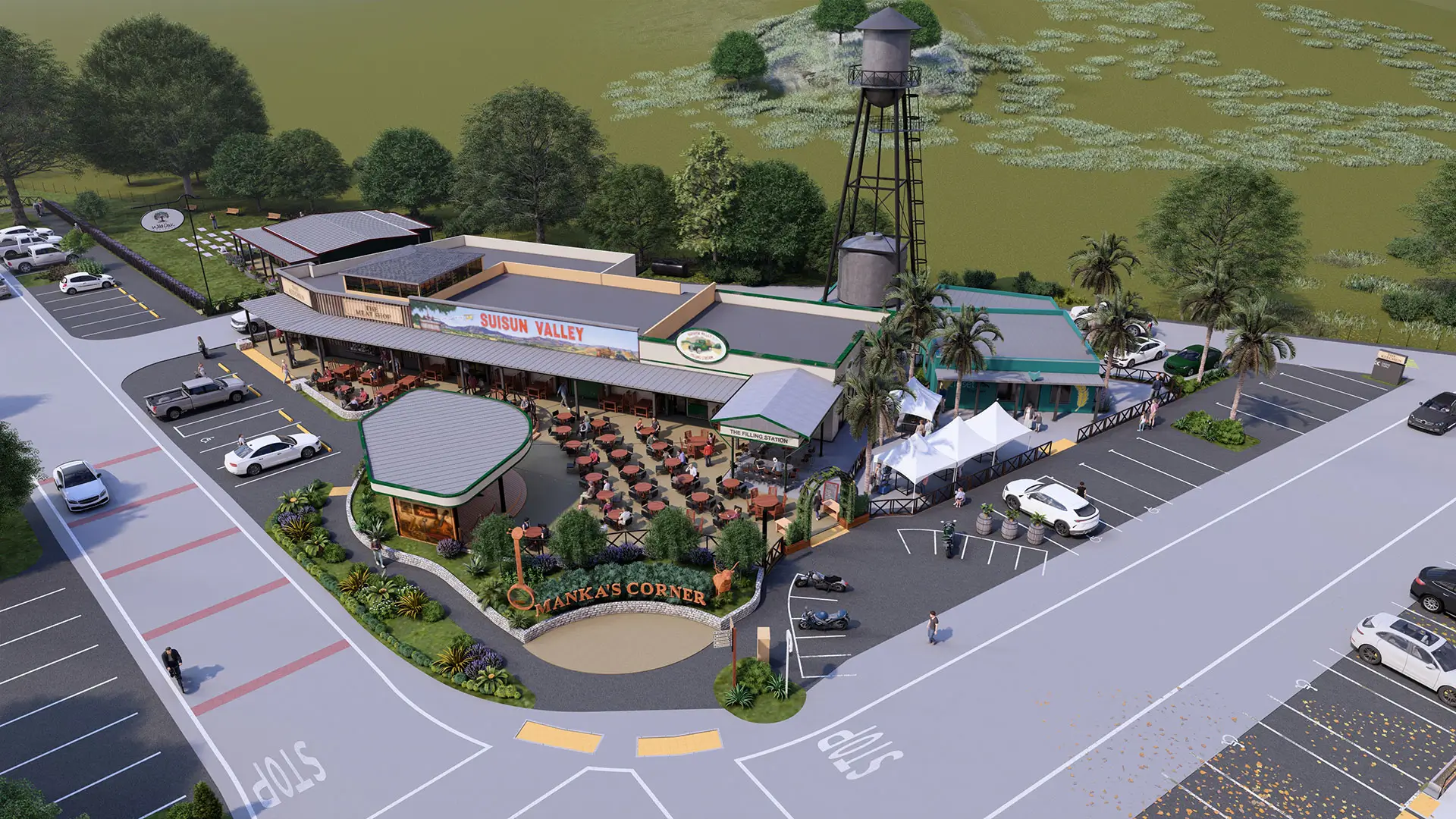

Manka's Meadow
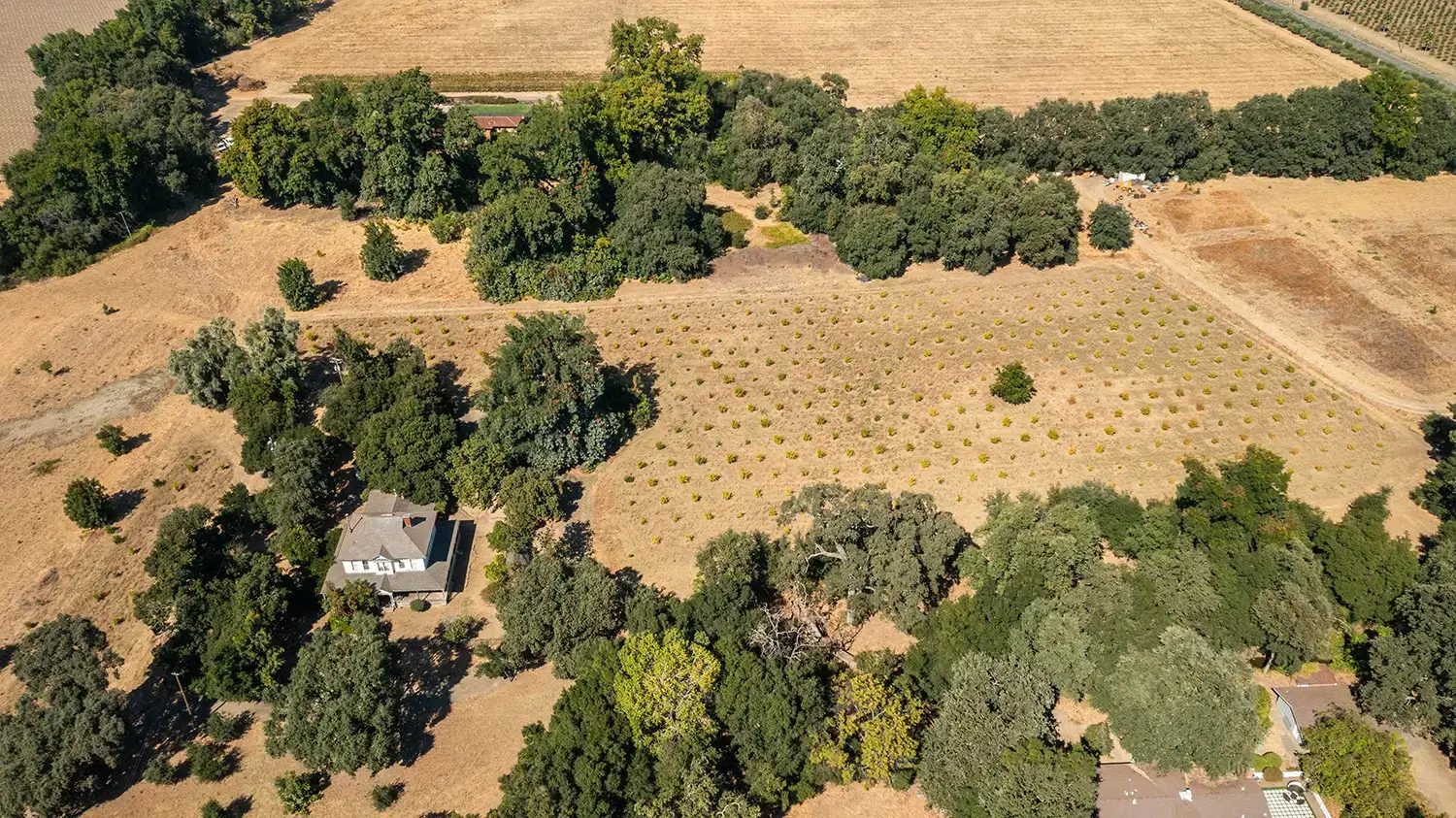
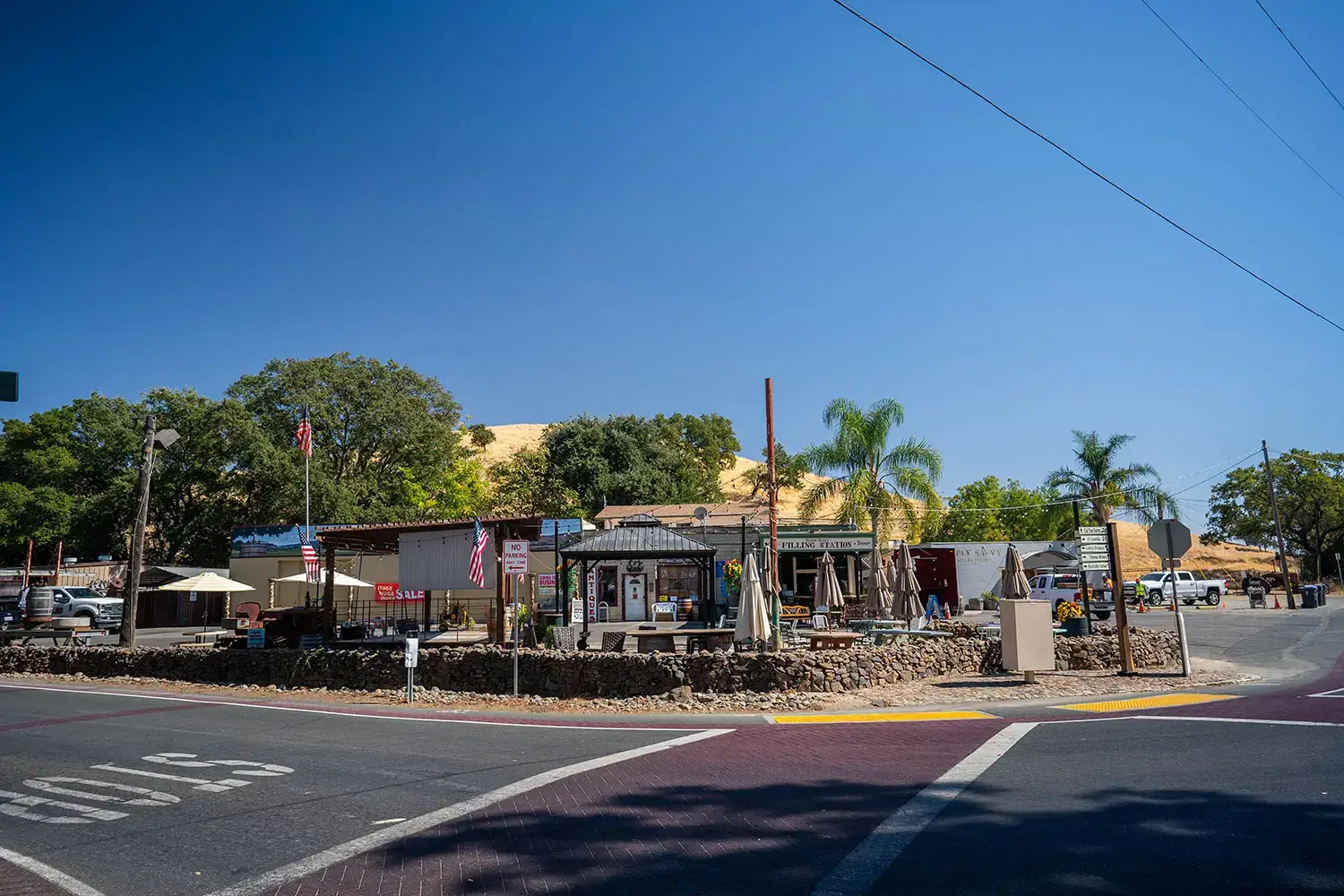
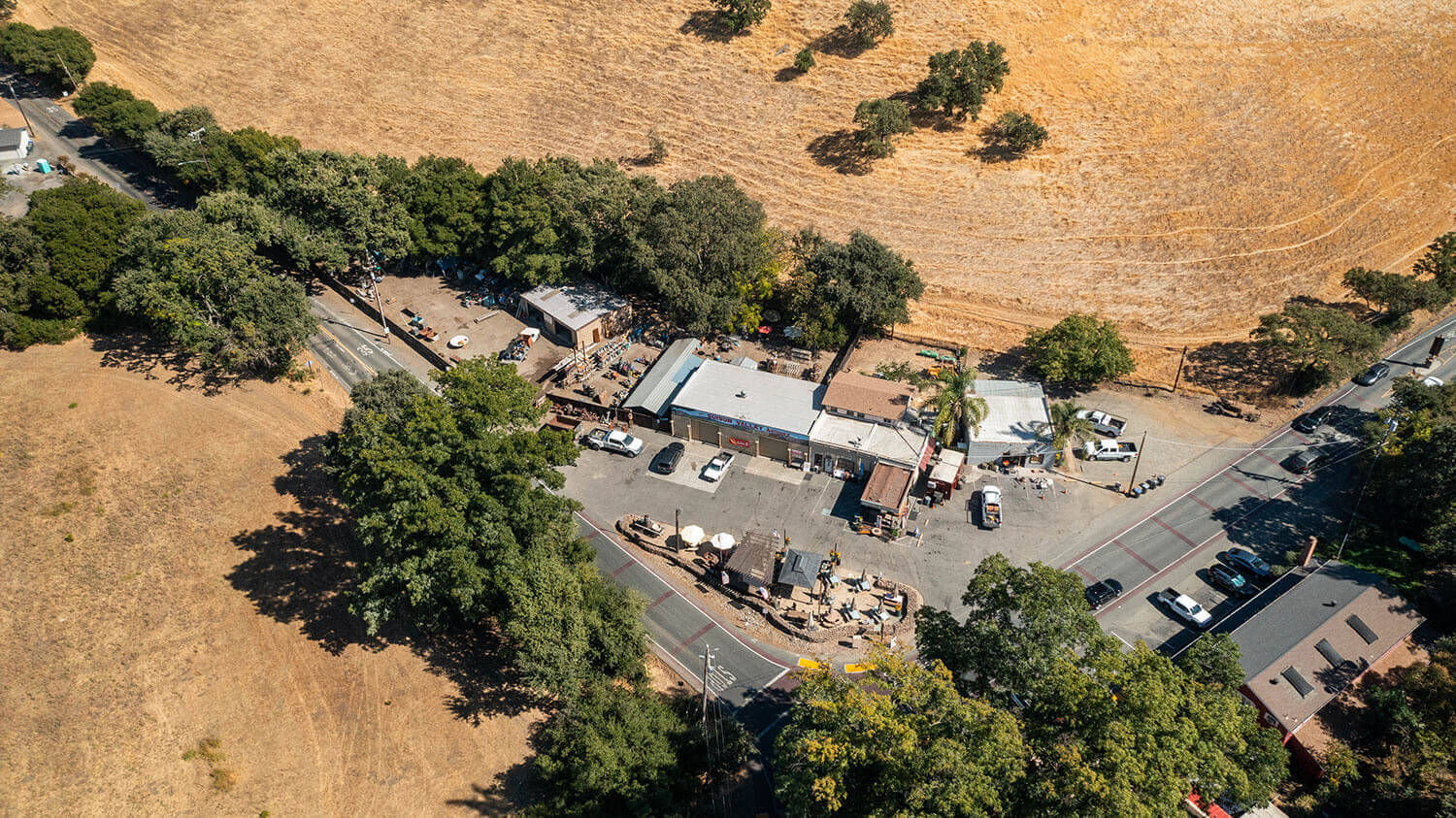
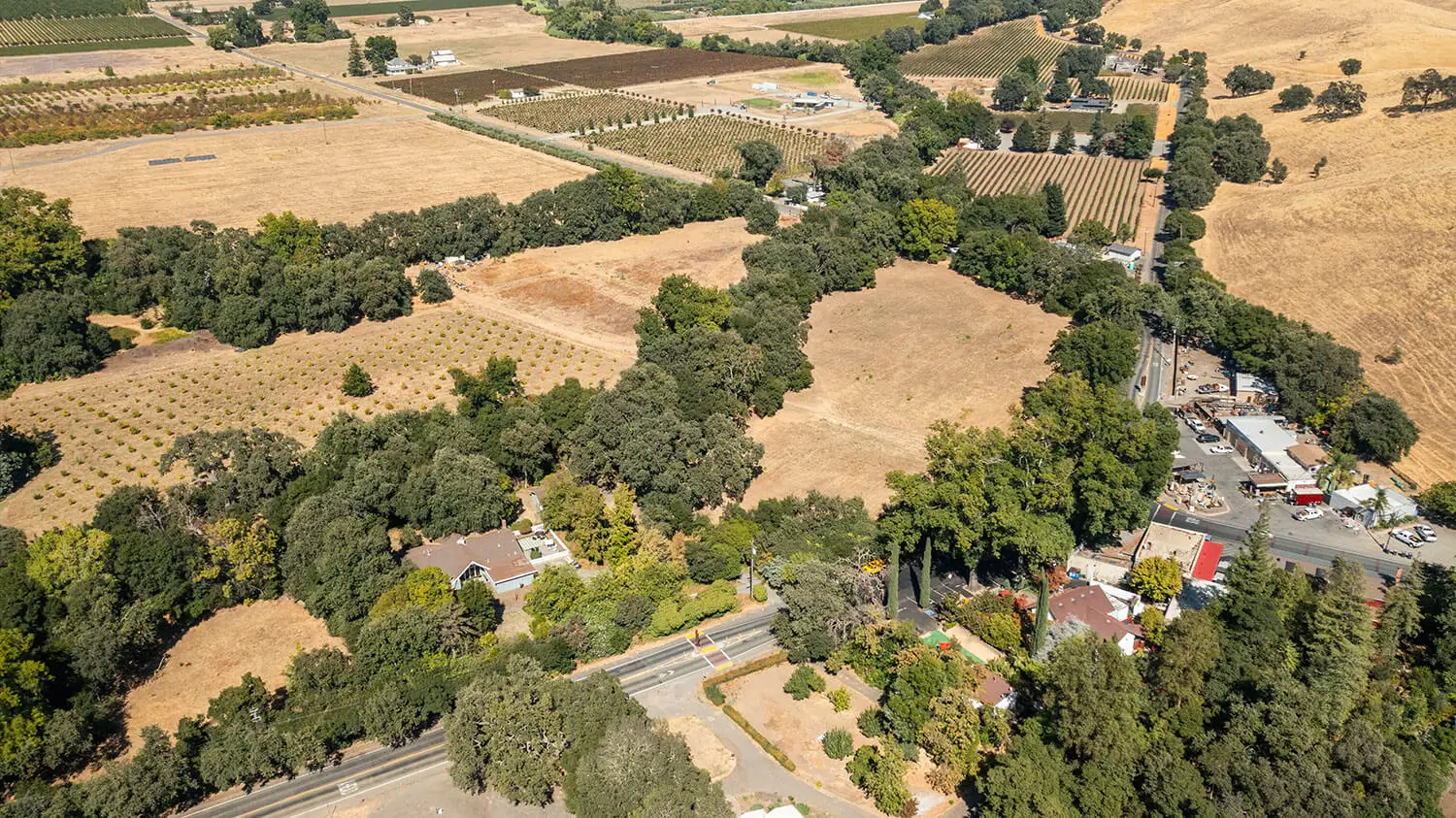
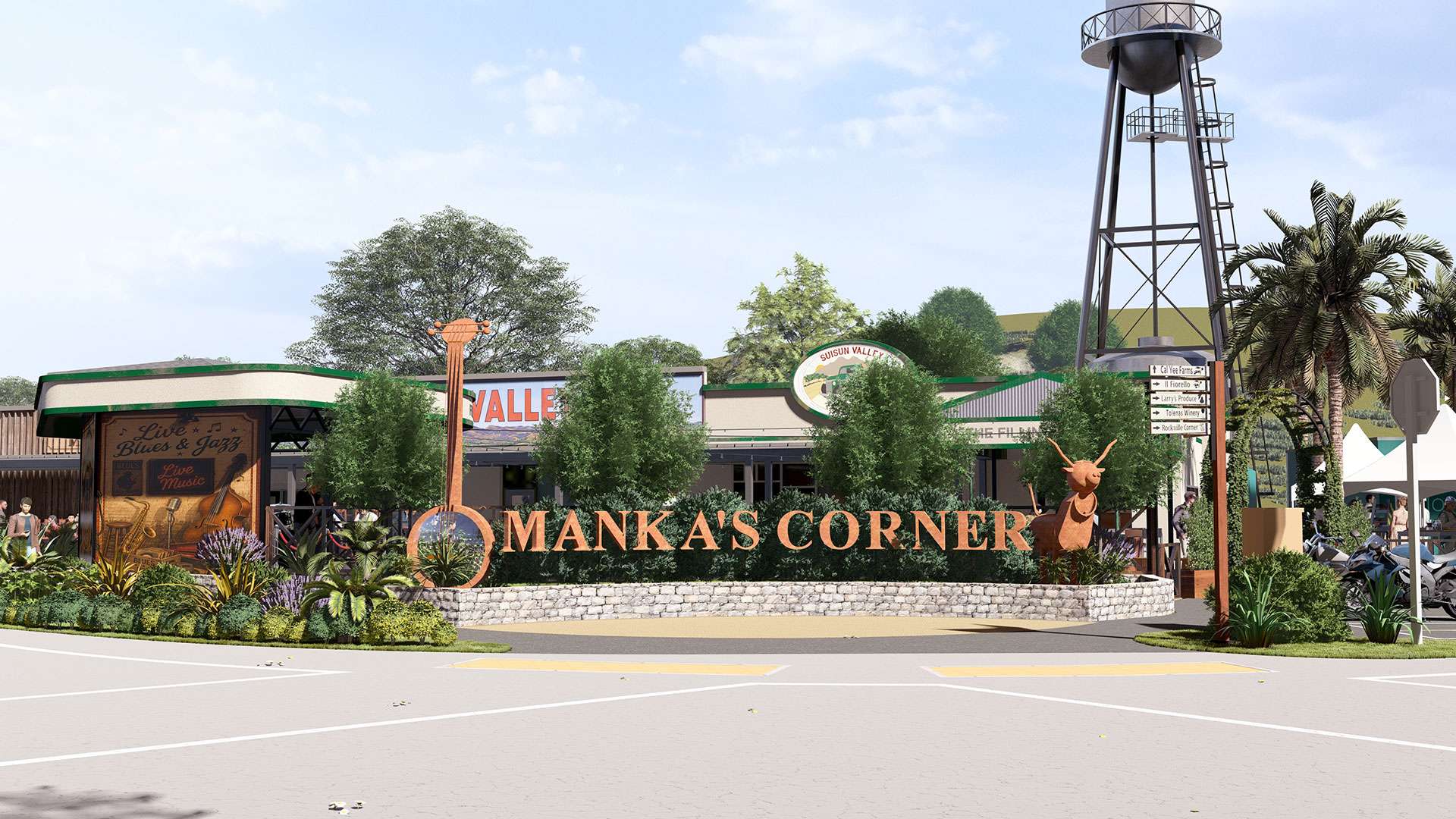
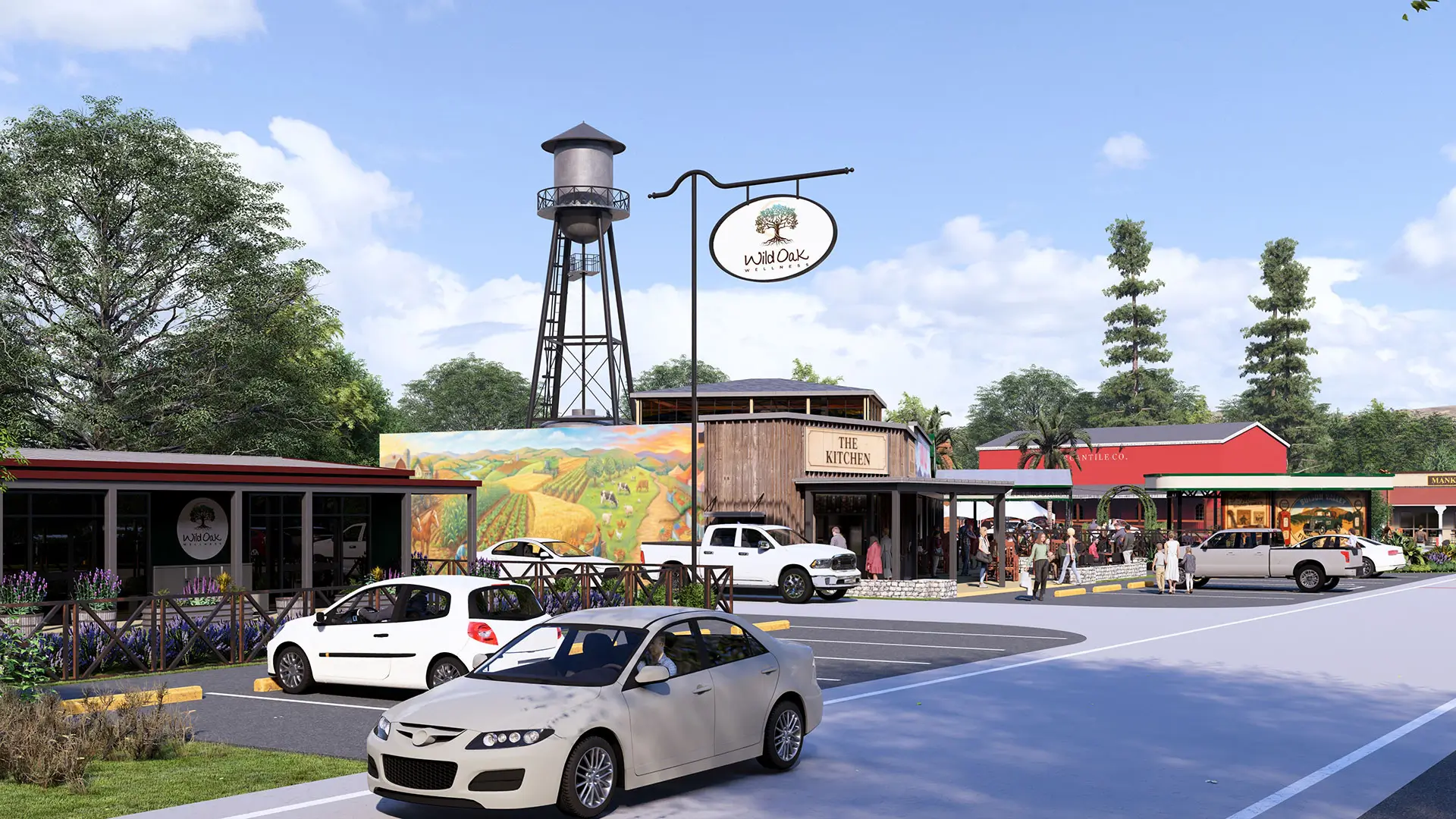
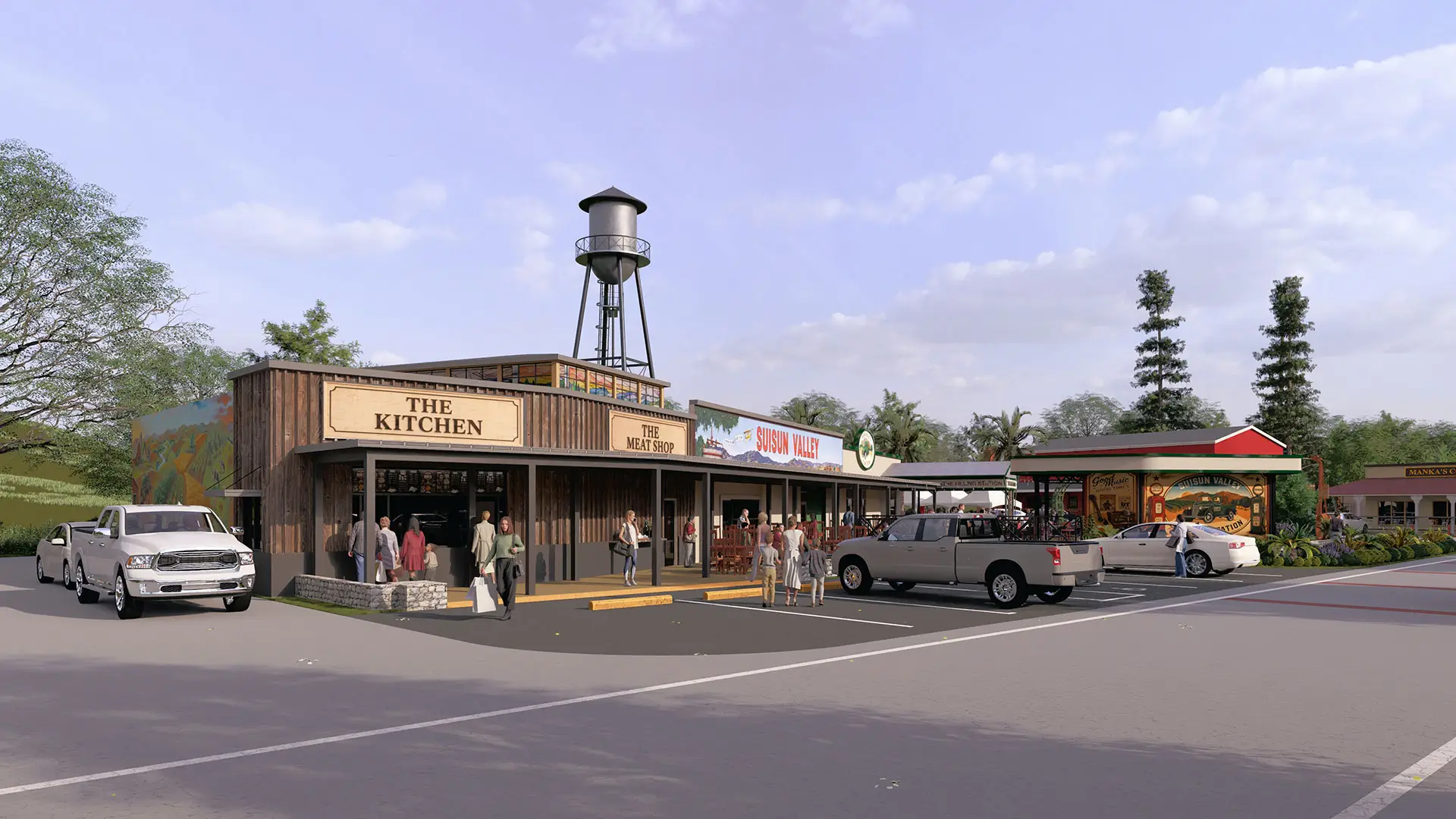
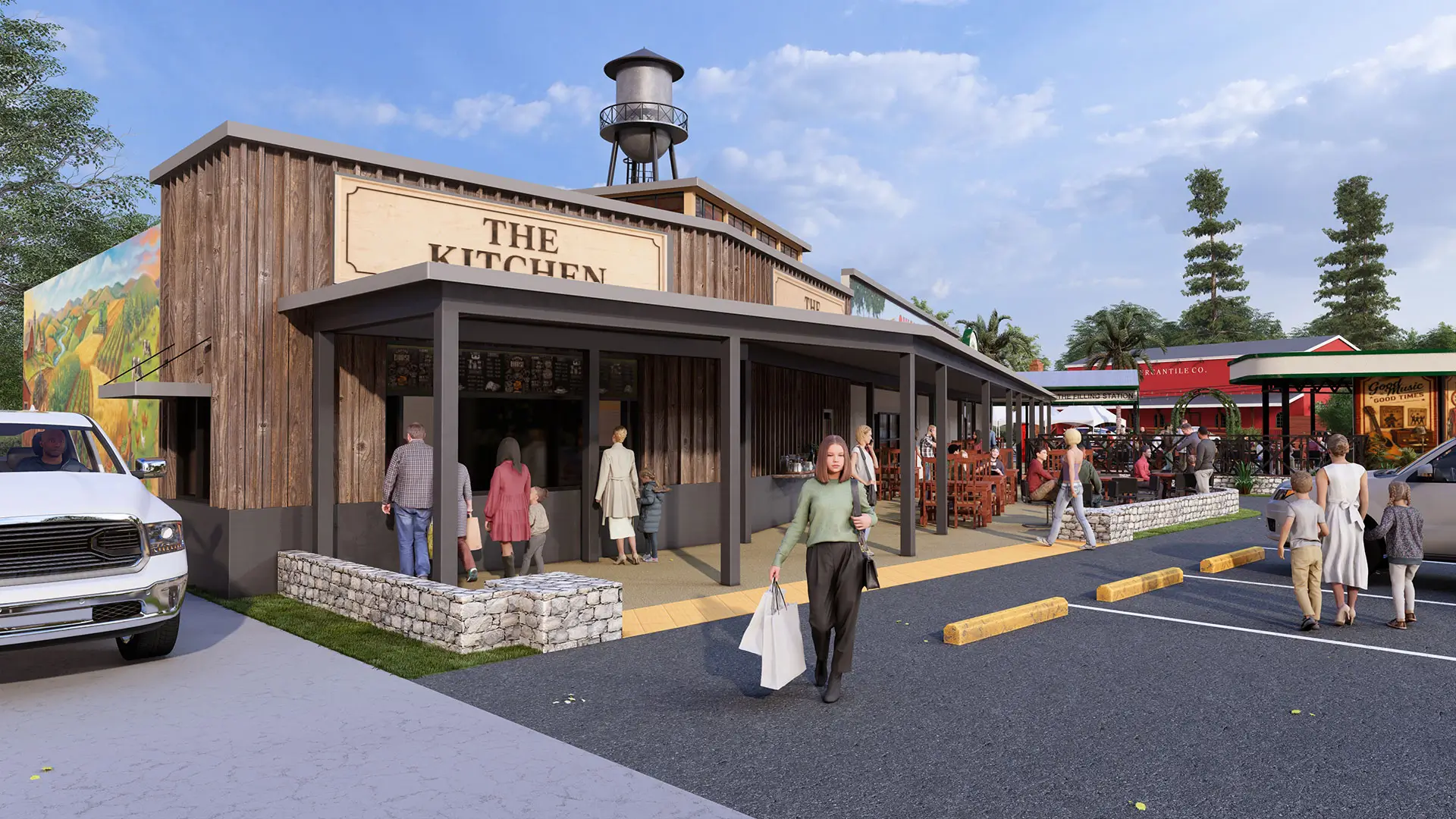
Our passion for supporting our local Suisun Valley agricultural community through the establishment of a quality agri-tourism focal point, and a desire to maintain a rural feeling at Manka’s Corner are the primary influences behind our thinking for the future enhancement we have planned for our “Manka’s Meadow” effort. We hope to create a place that reflects the warmth of our friendly neighbors, the country lifestyle we all enjoy, and showcases all the best that Suisun Valley has to offer. We look forward to sharing details as this project takes shape and creating a place where local residents, and outside visitors alike, can enjoy a rurally oriented, quality experience at Manka’s Corner for years to come. Cheers!
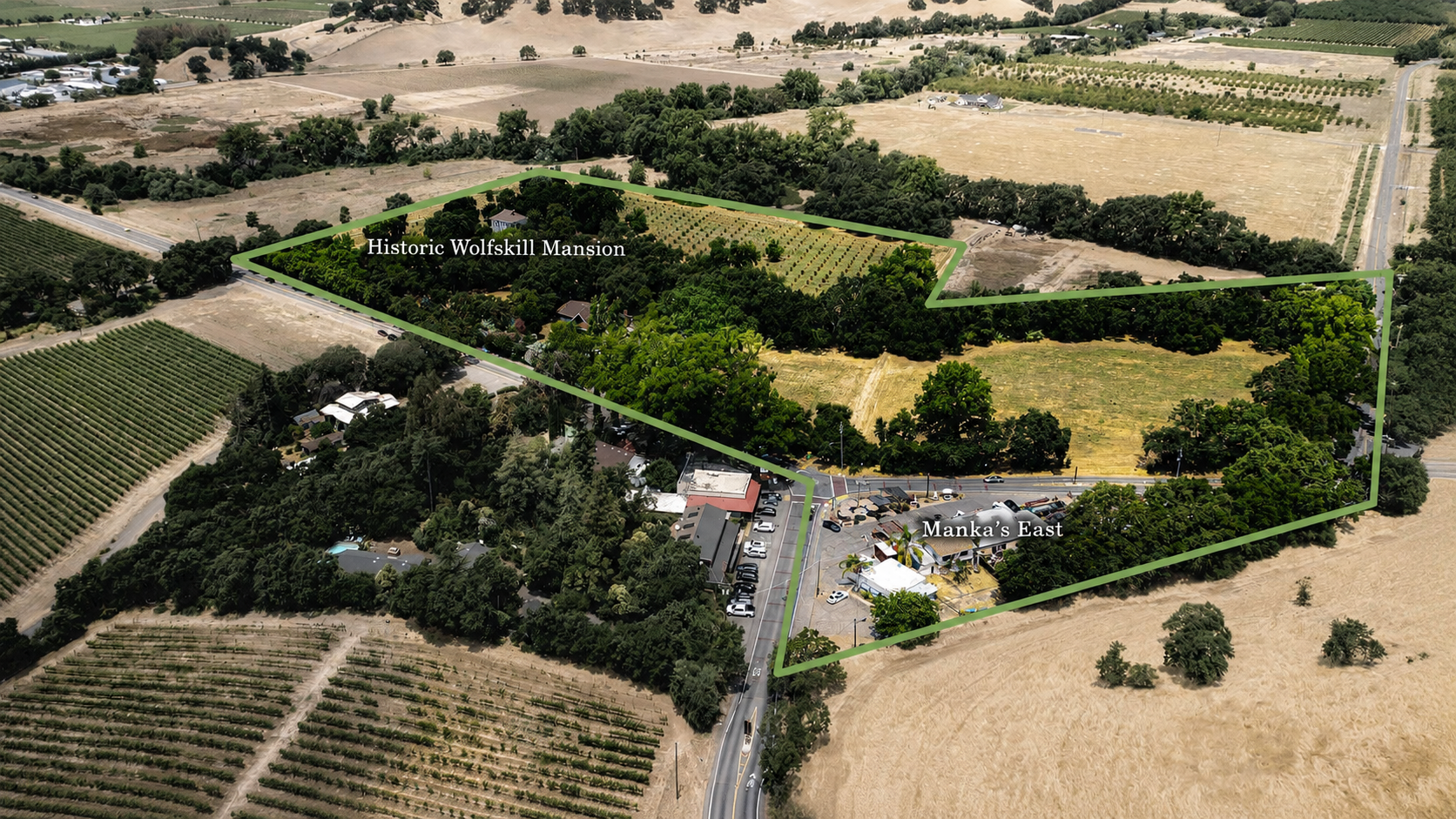
Plan Area
Vision
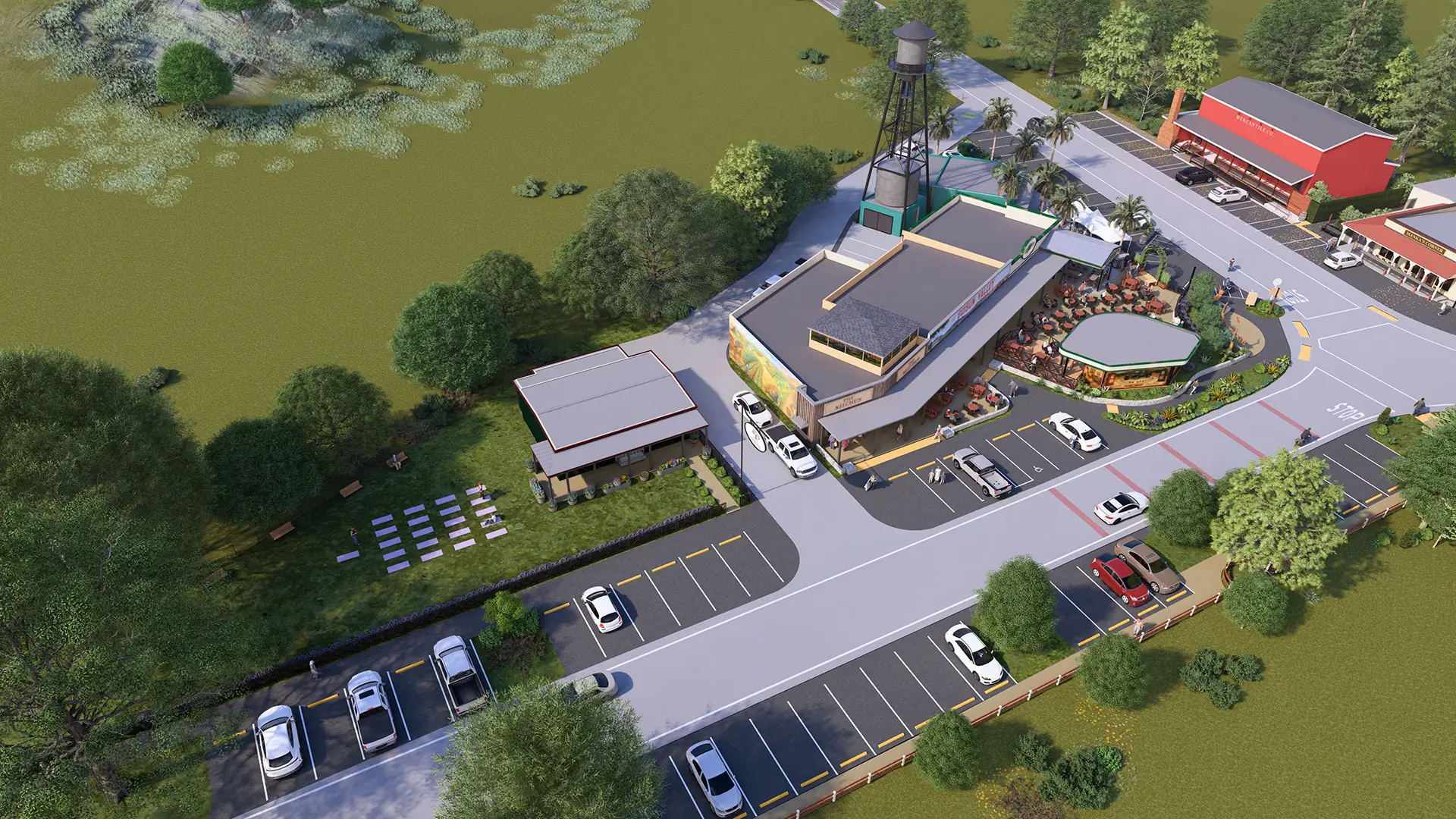
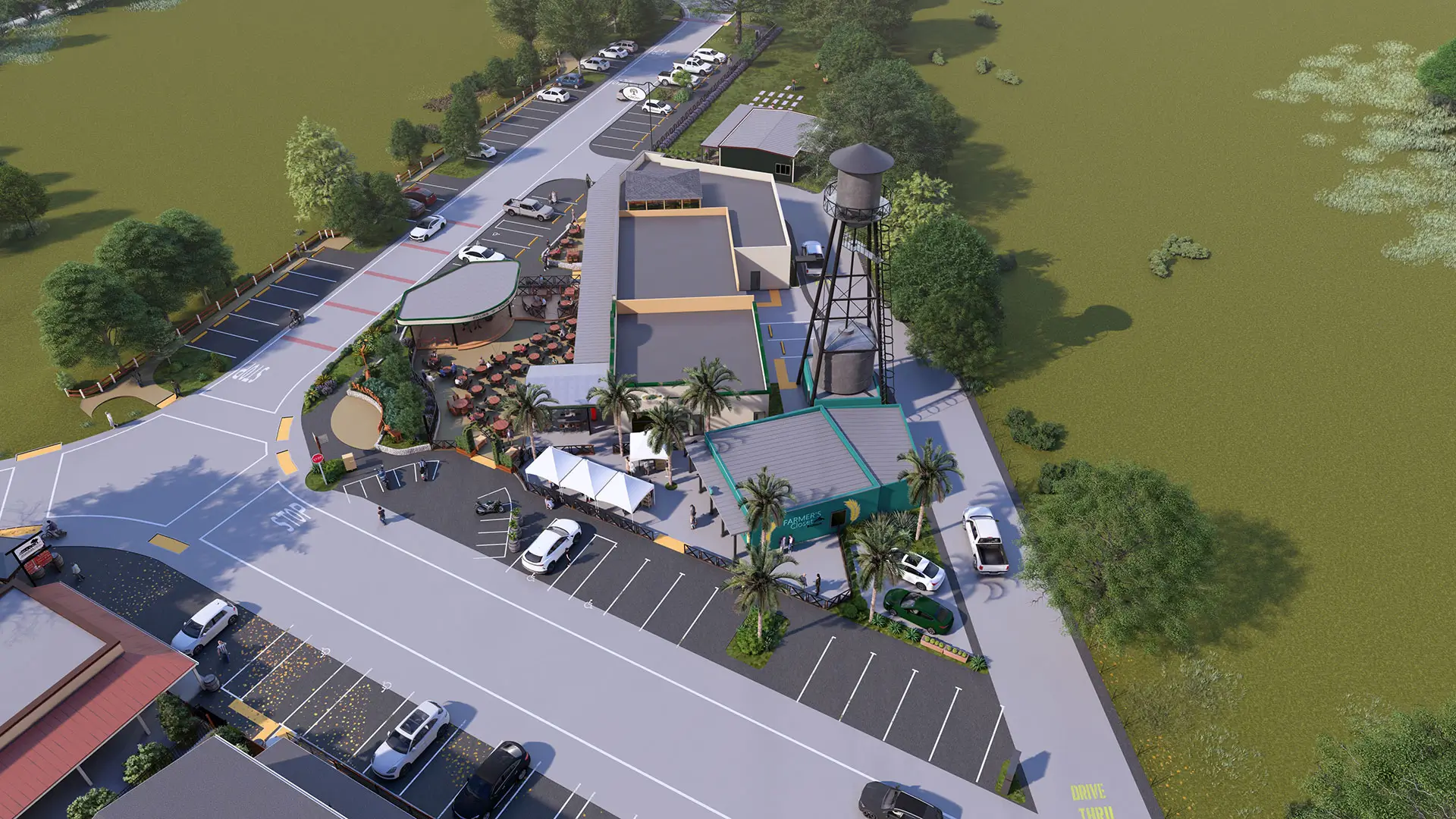
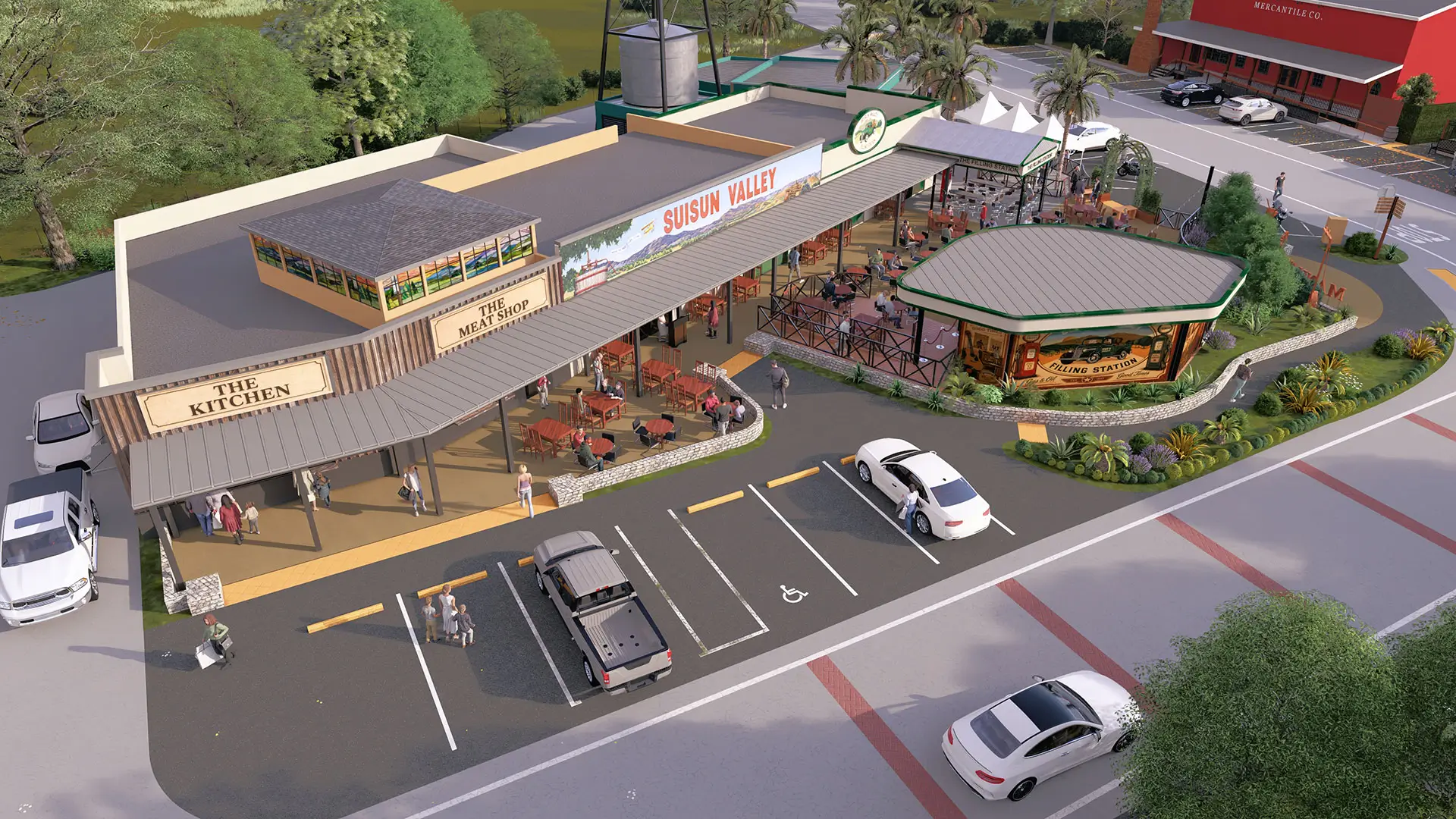
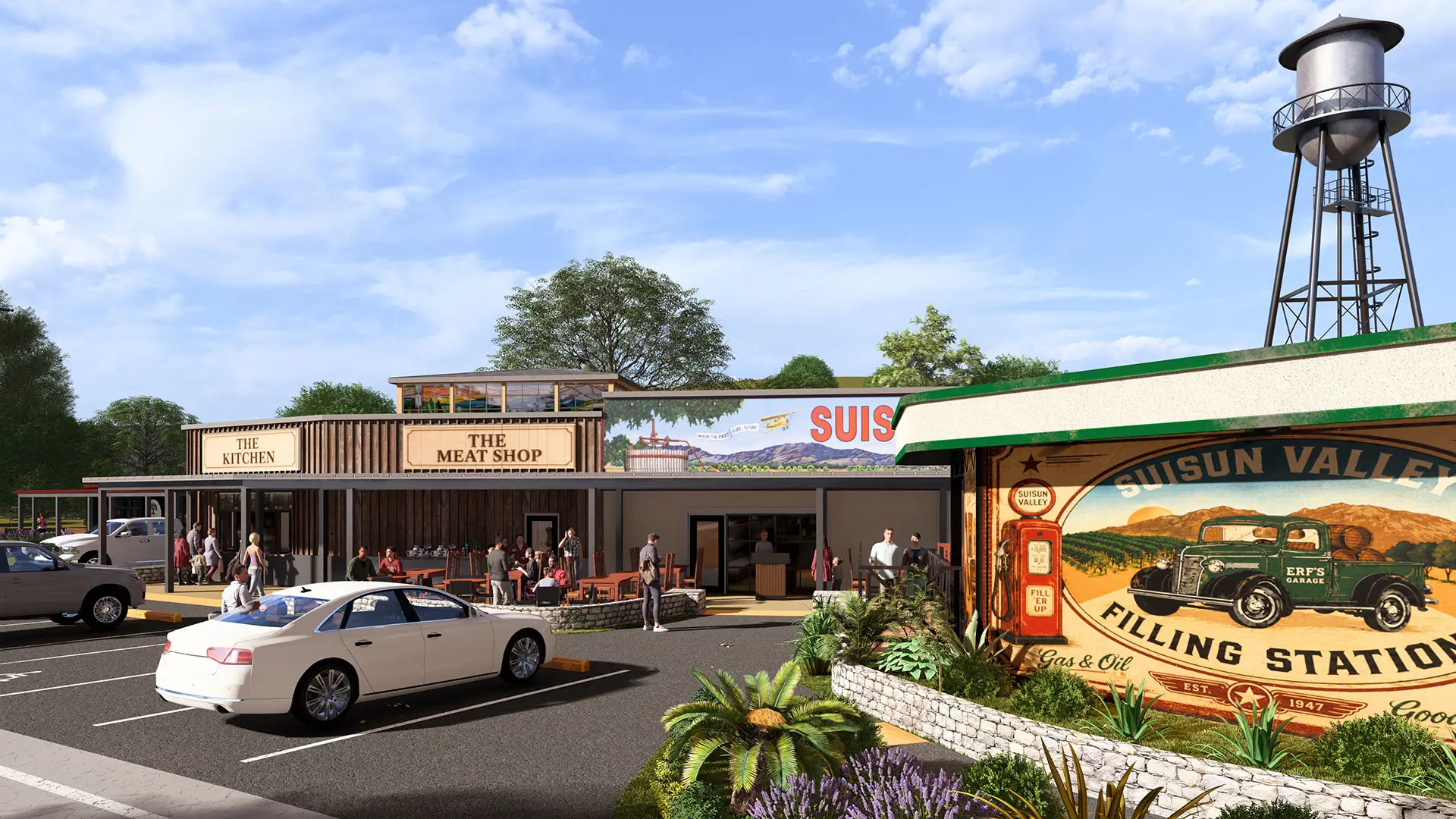
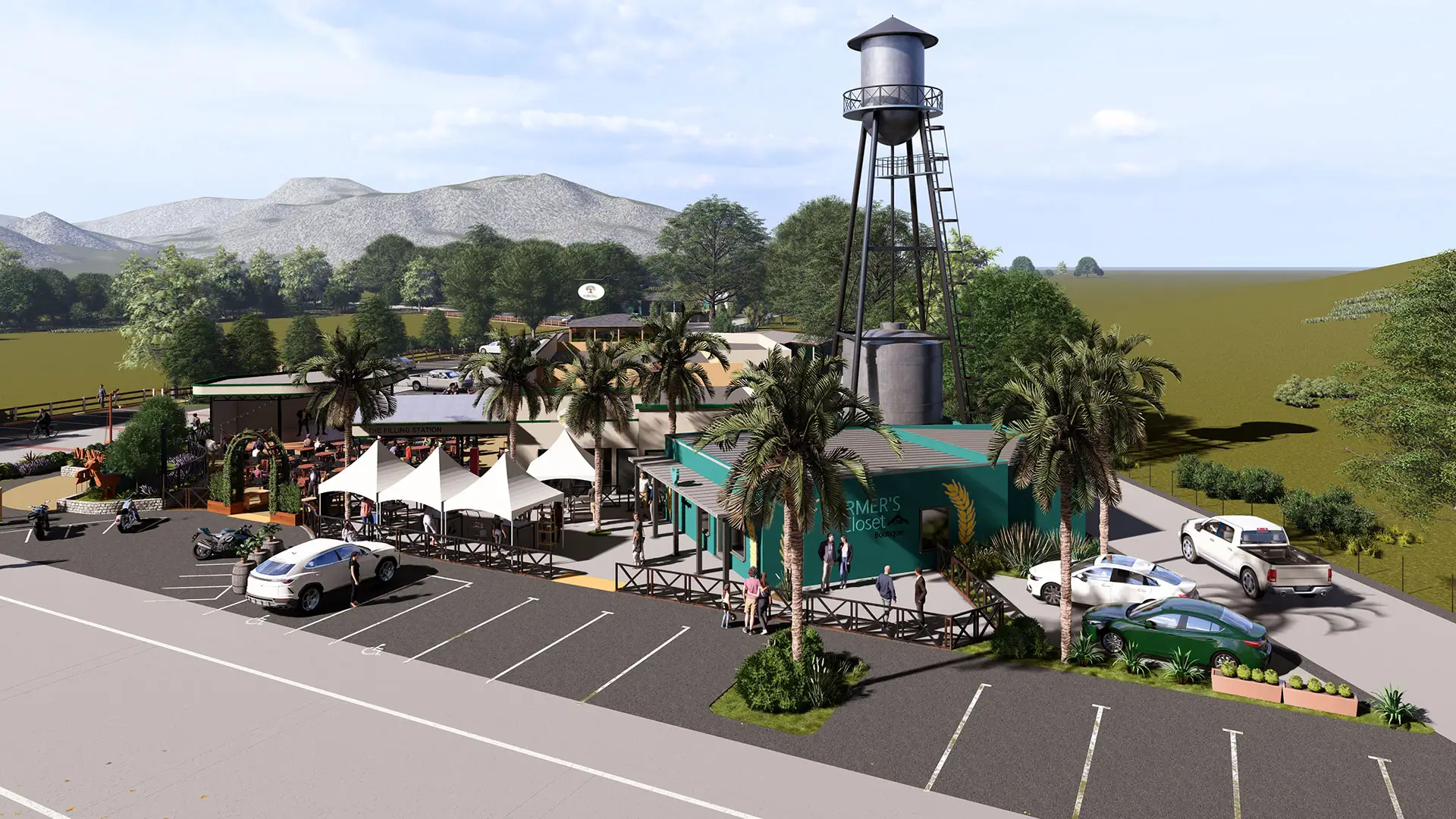
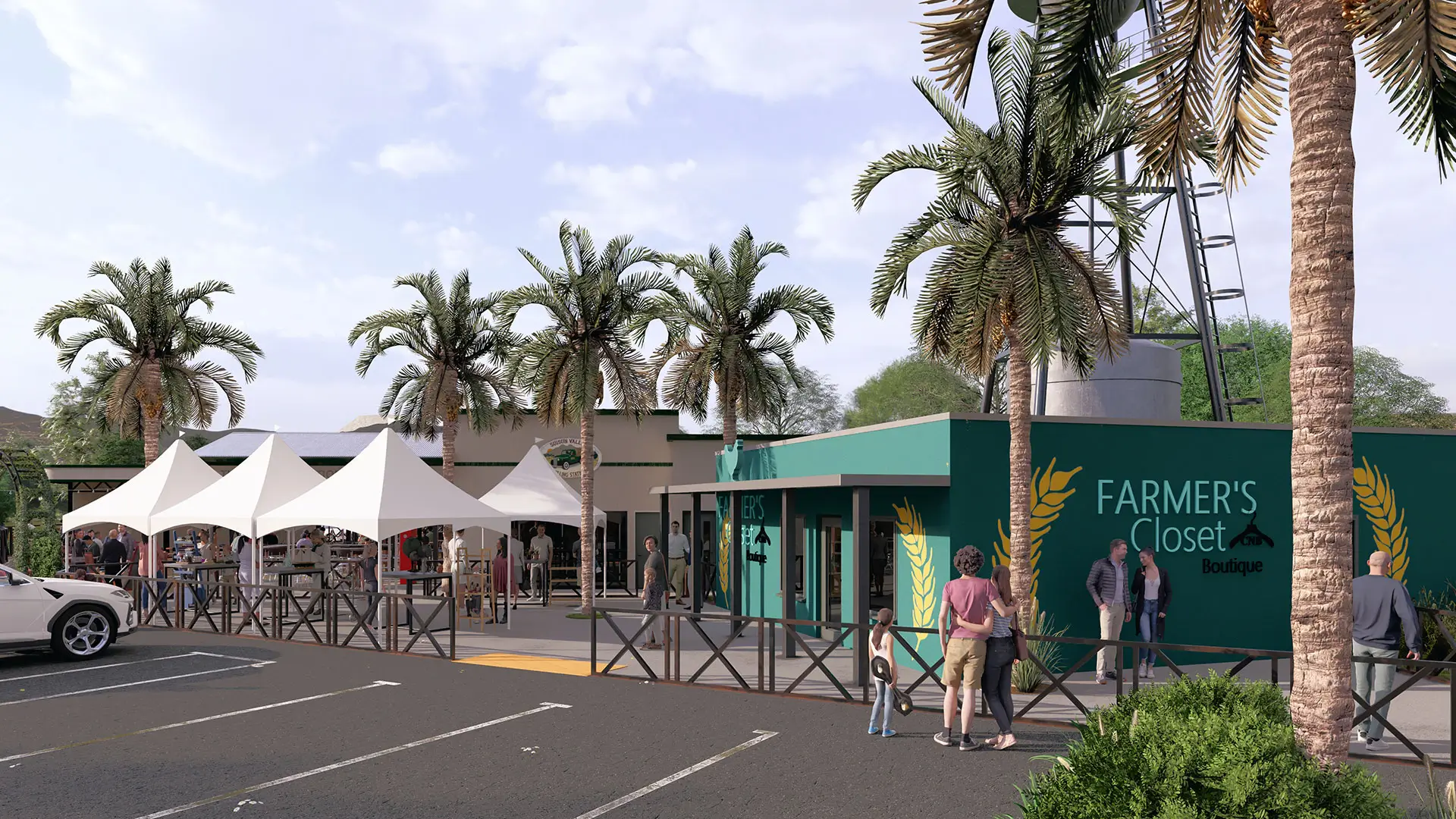
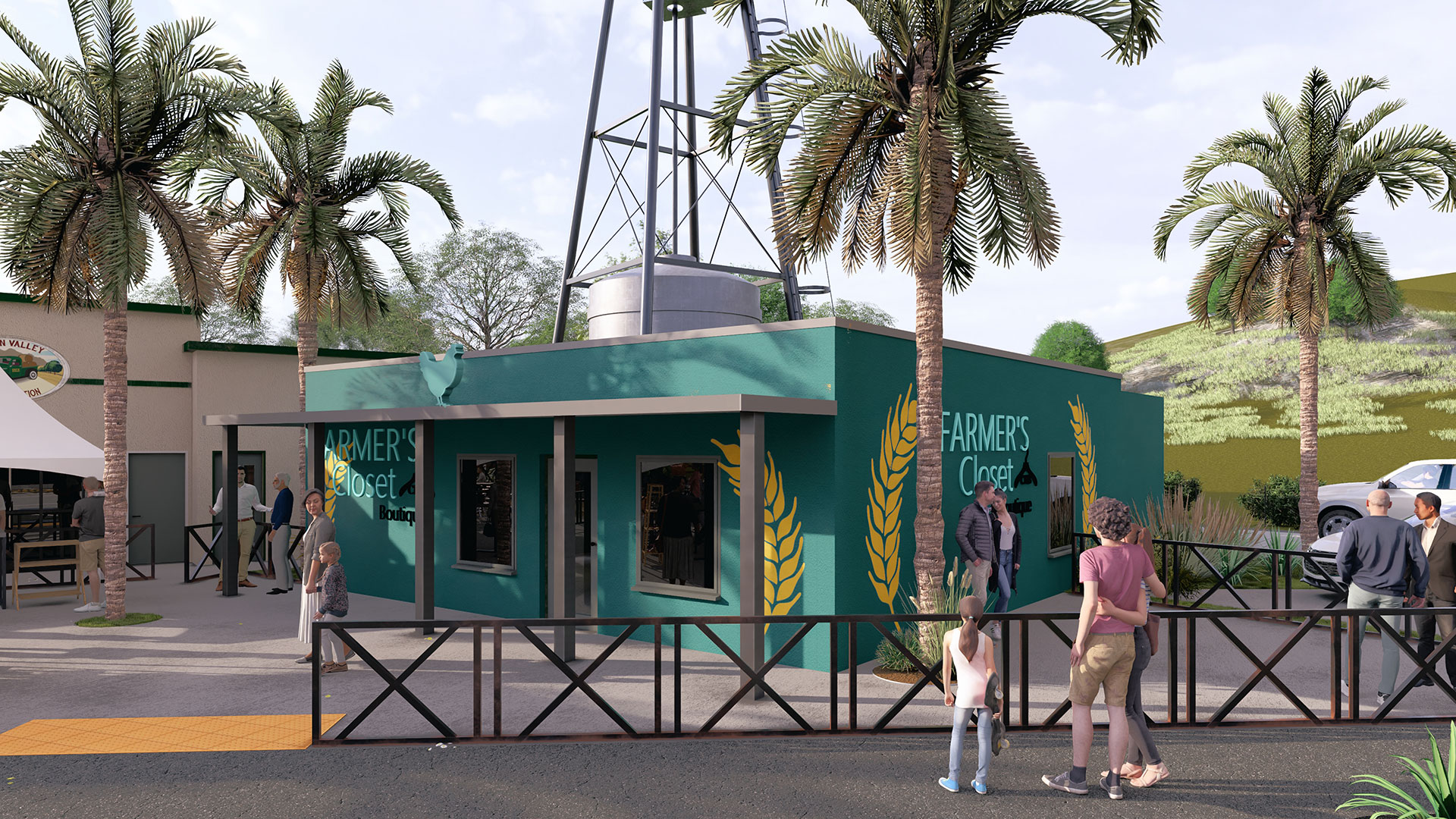
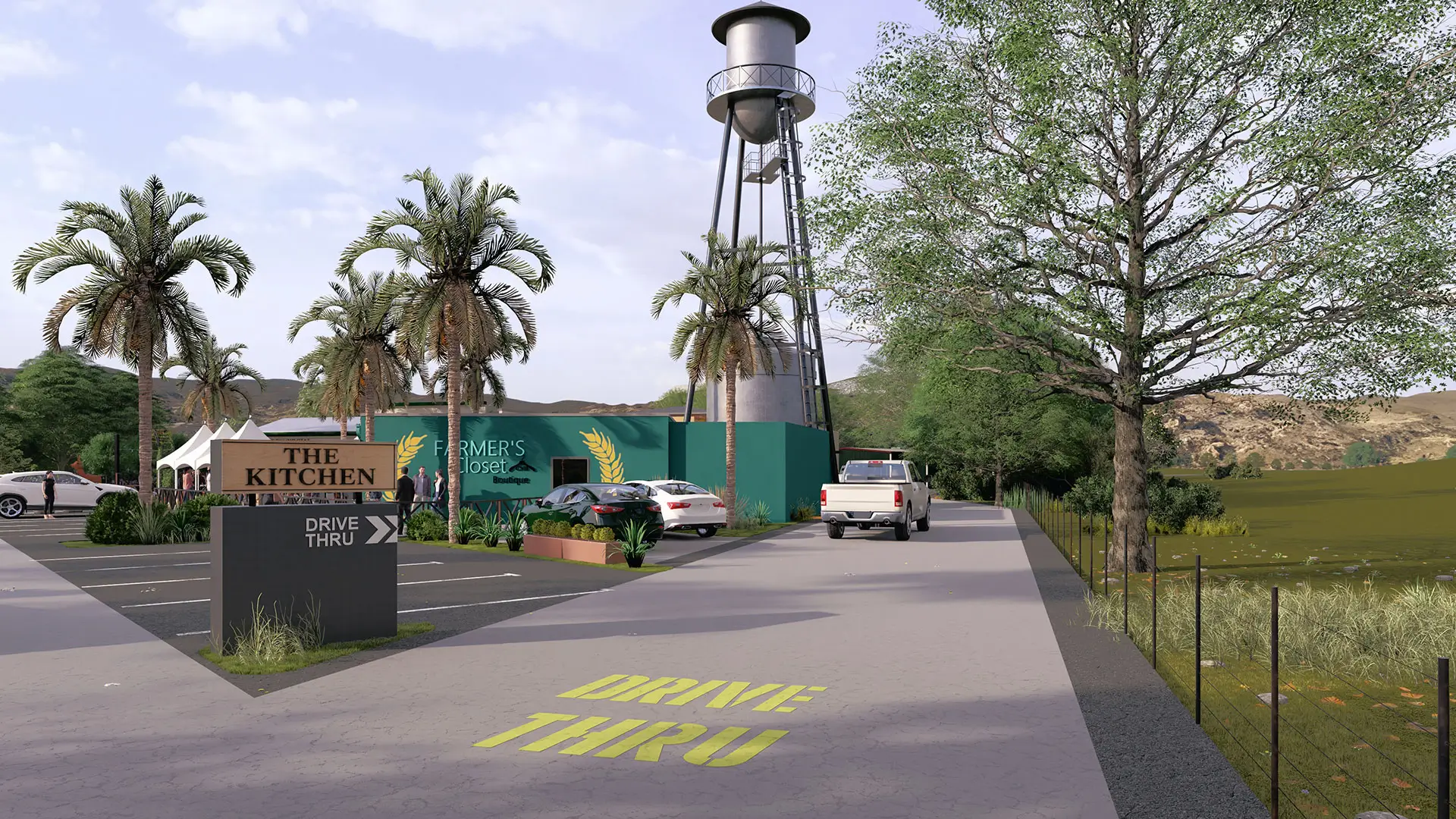
The Manka’s East vision is centered on thoughtfully transforming the property into a cohesive, well-planned destination that supports local businesses, enhances the visitor experience, and integrates seamlessly with the broader Suisun Valley landscape.


Vision
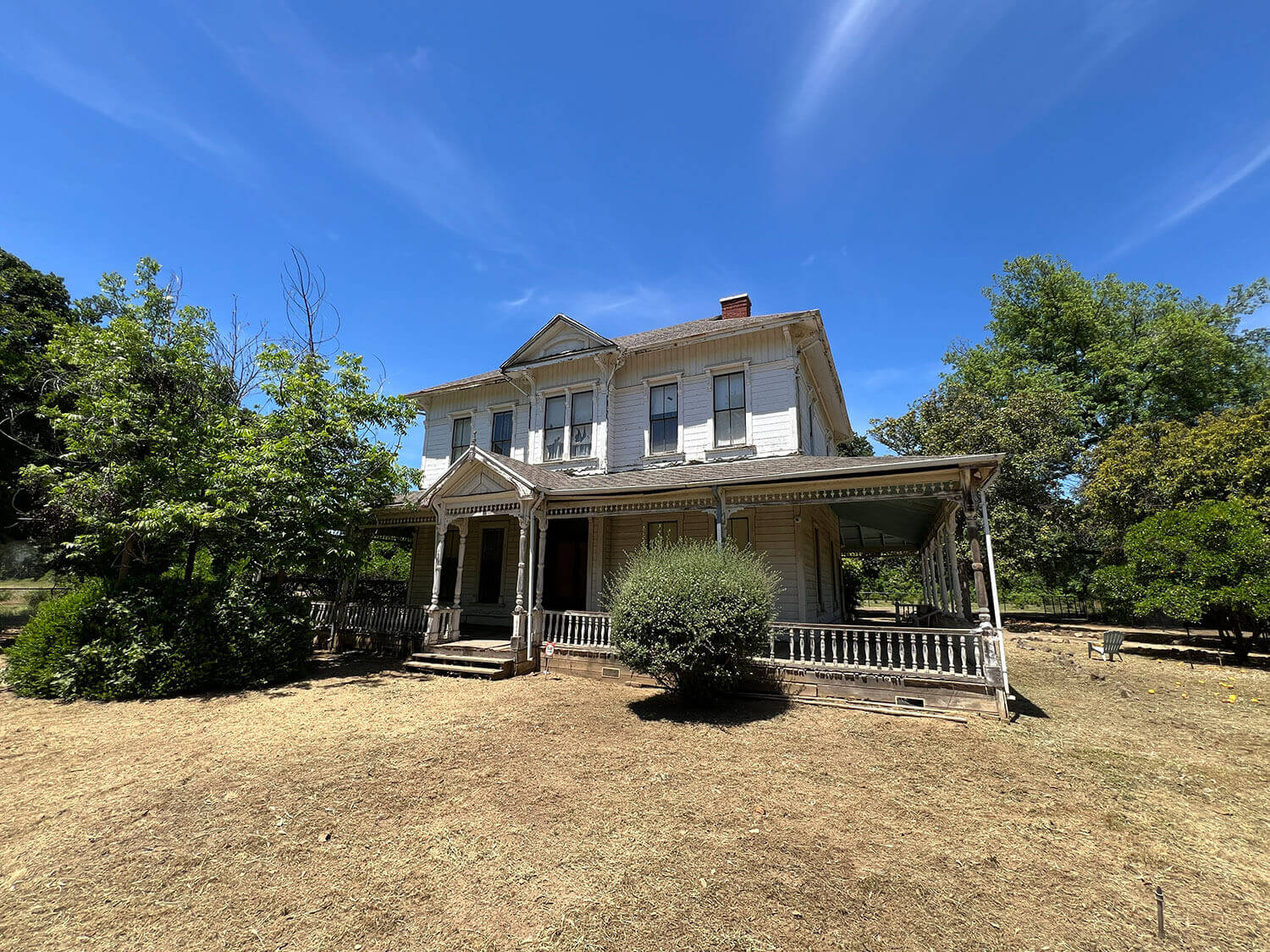
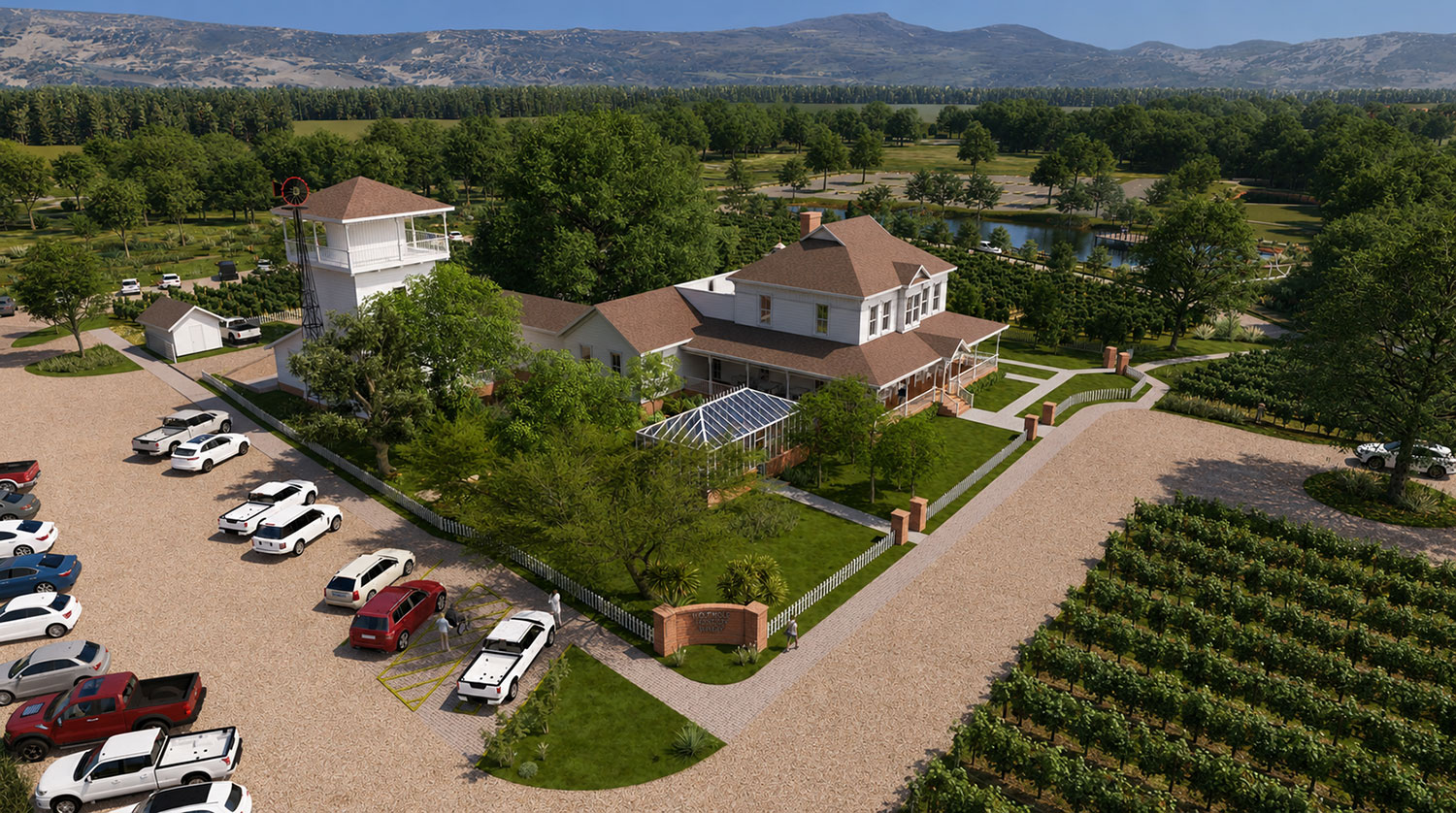
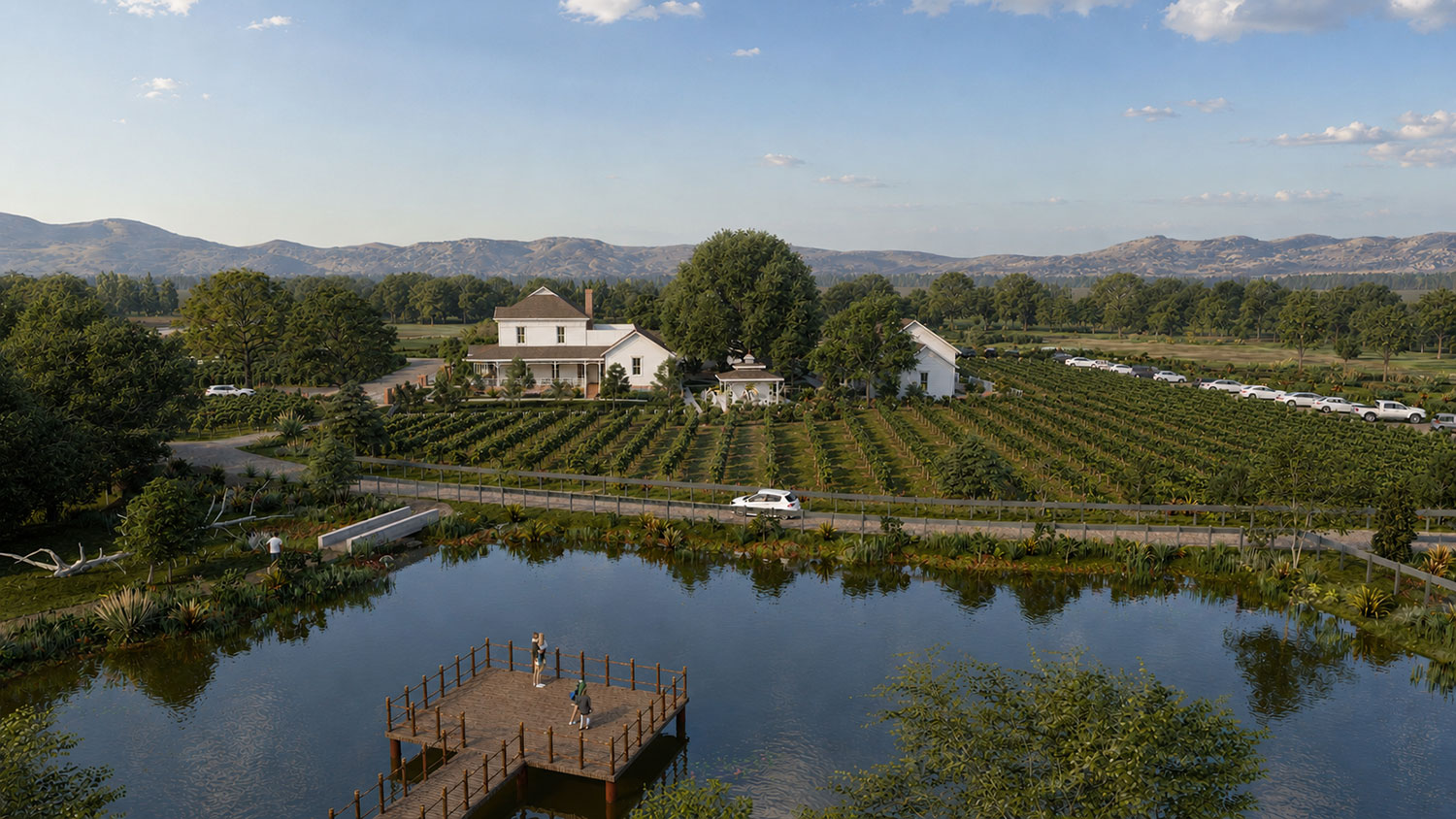
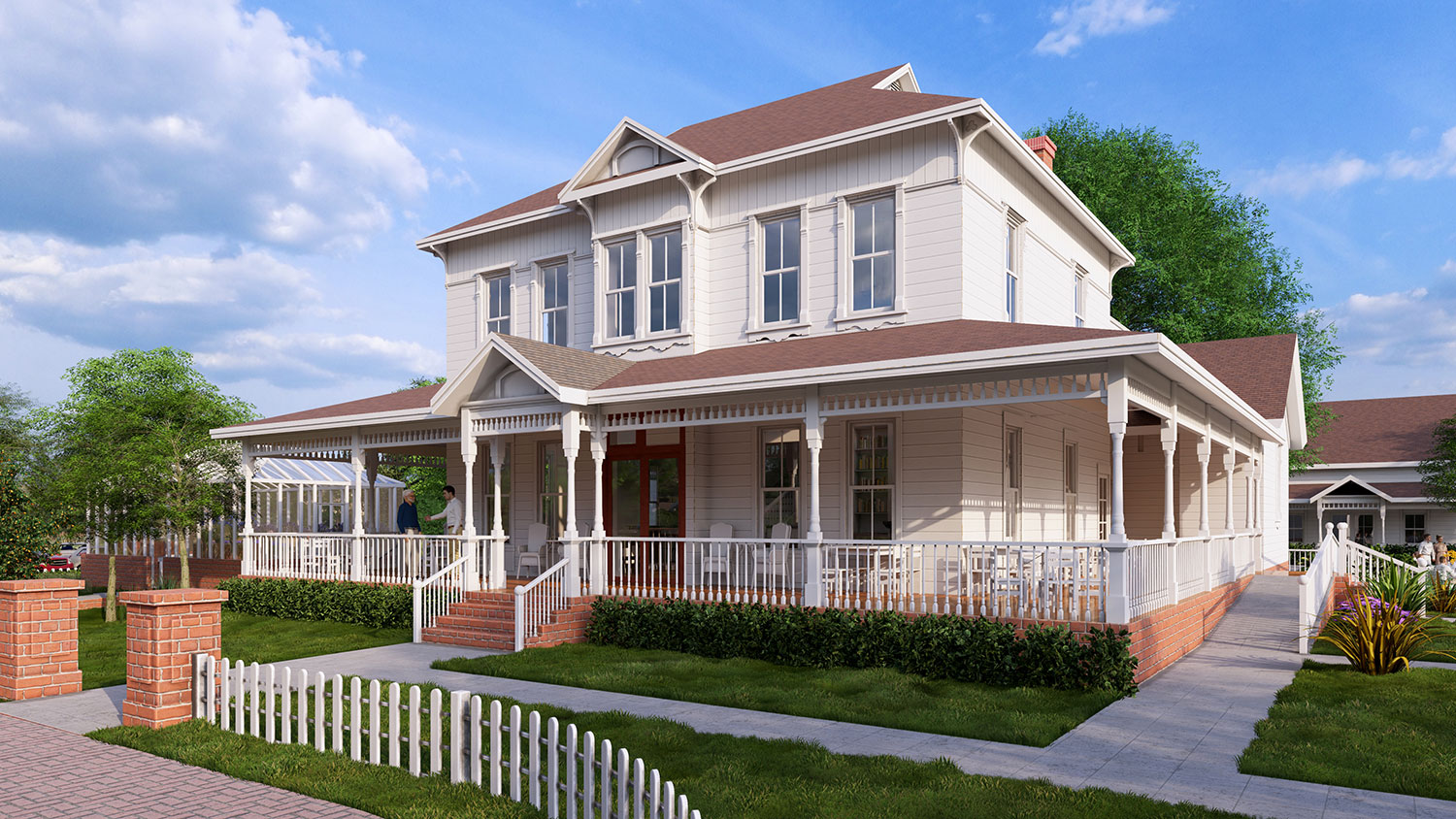
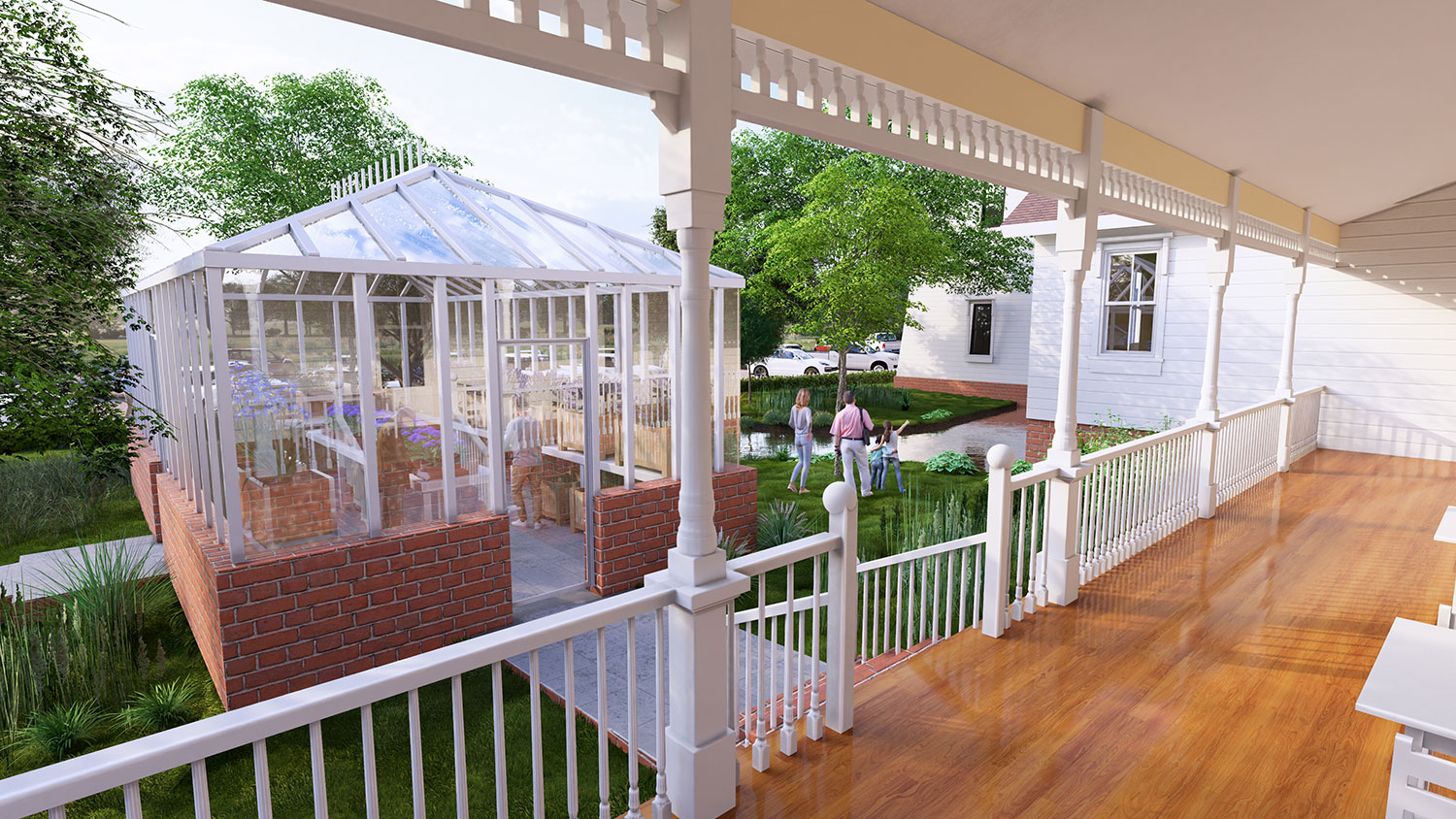
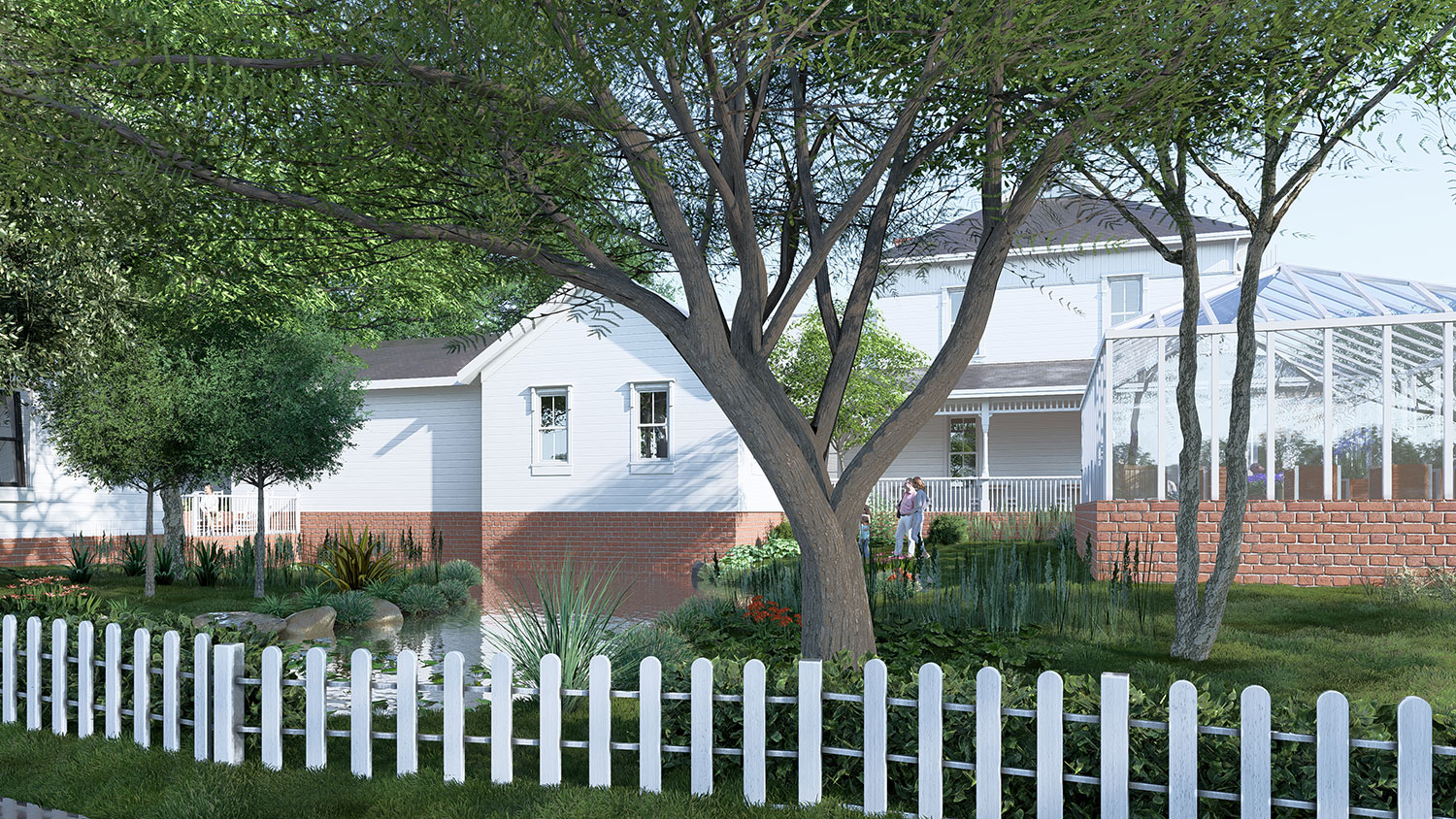
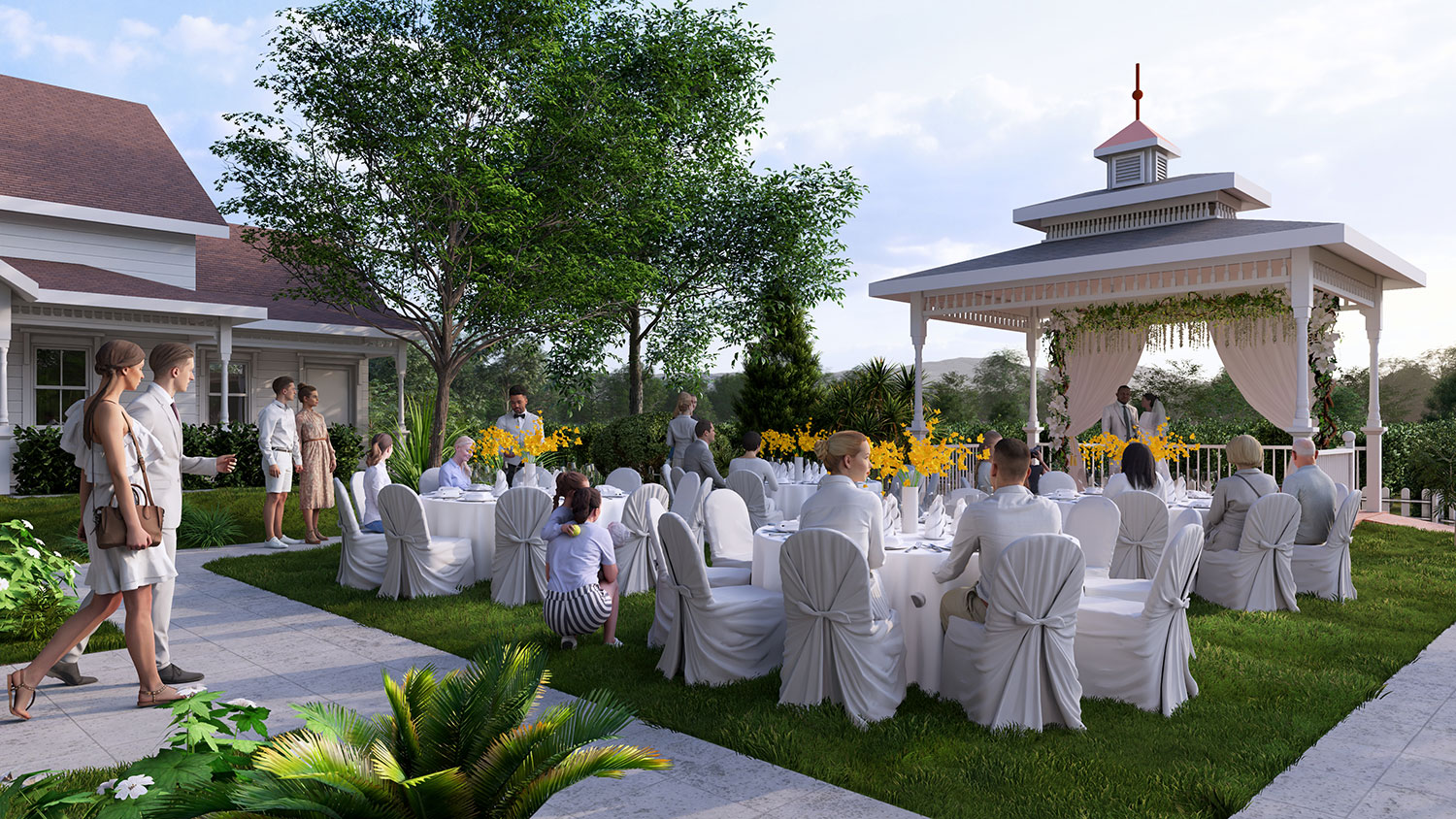
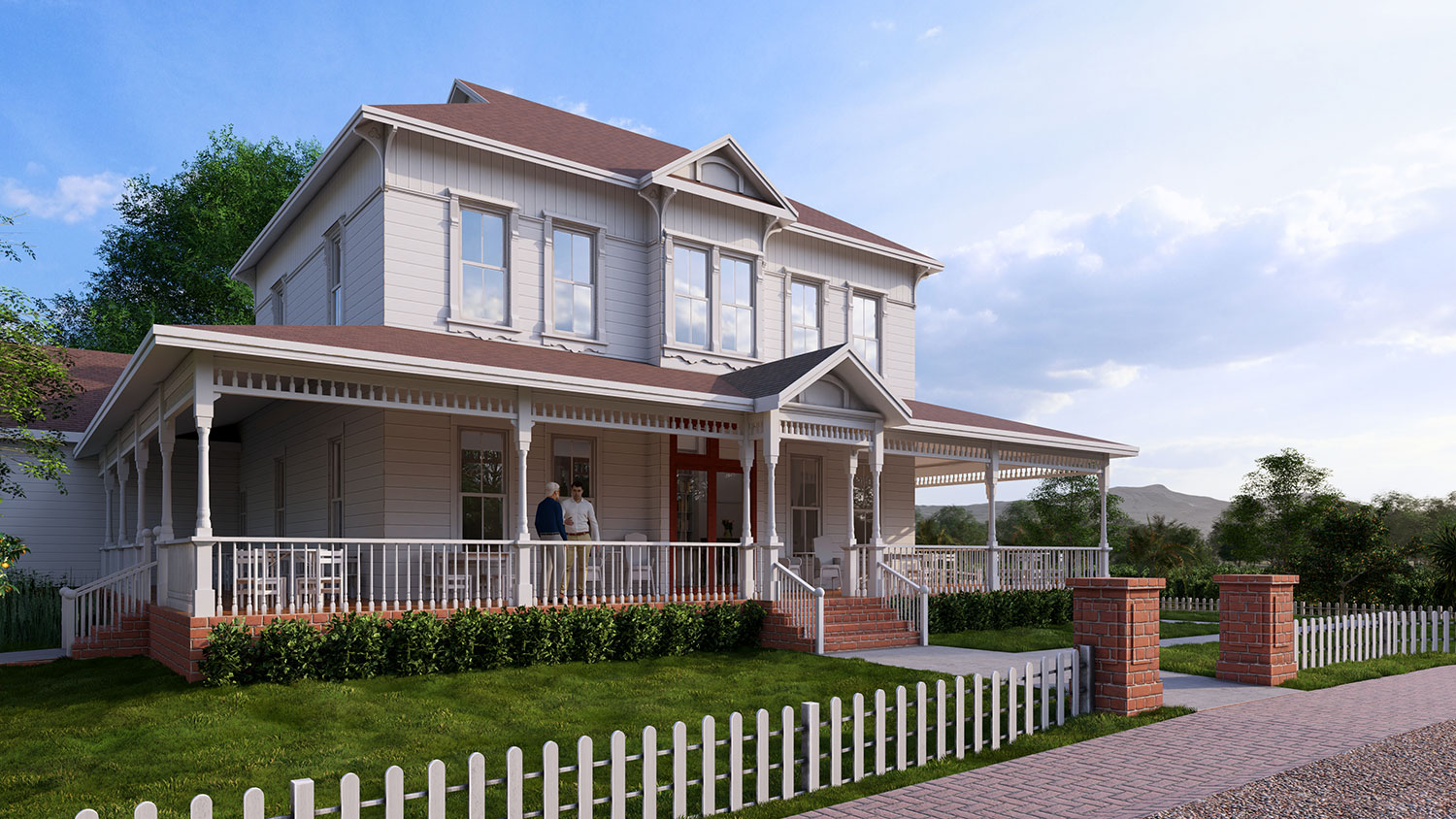
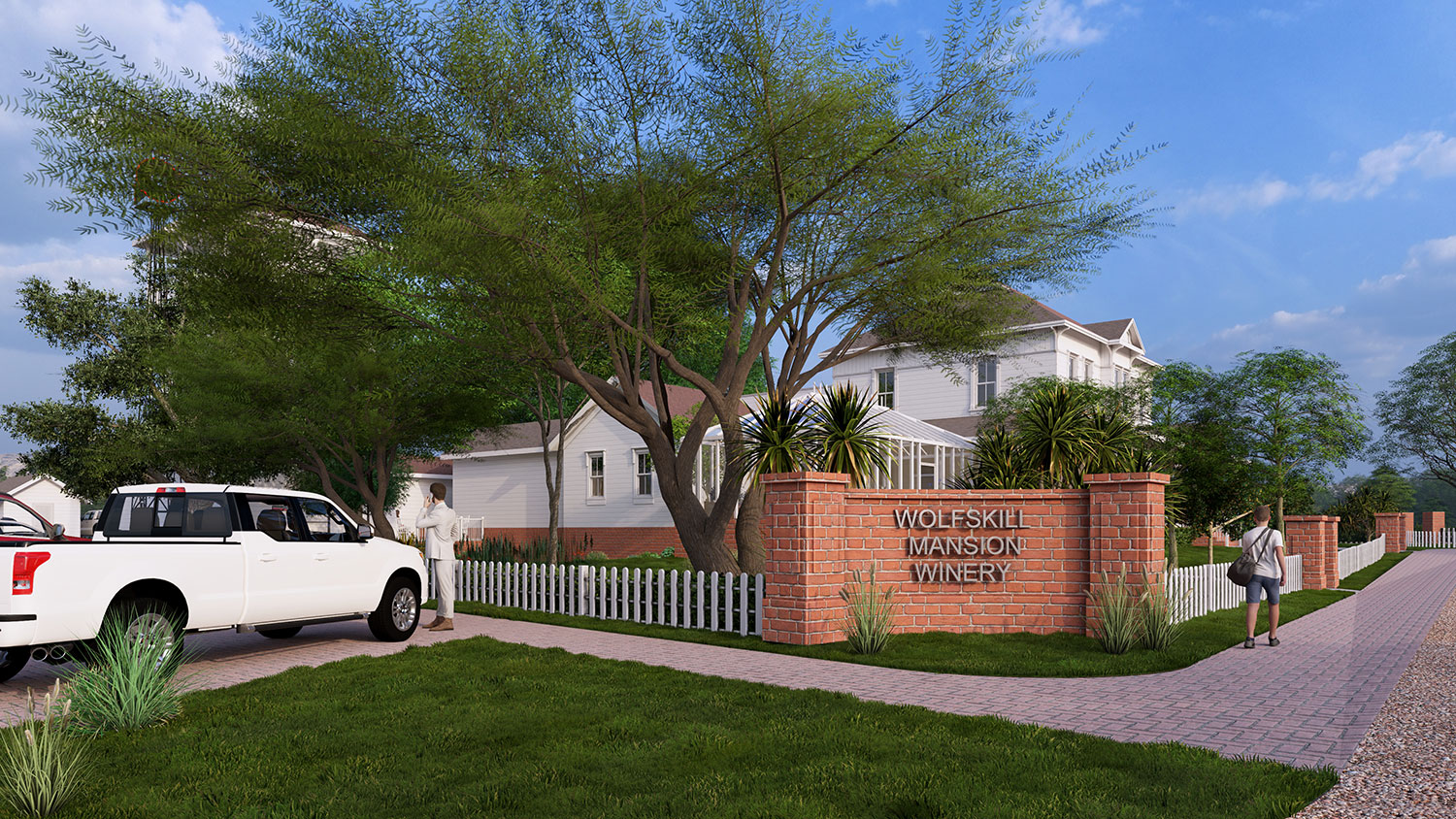
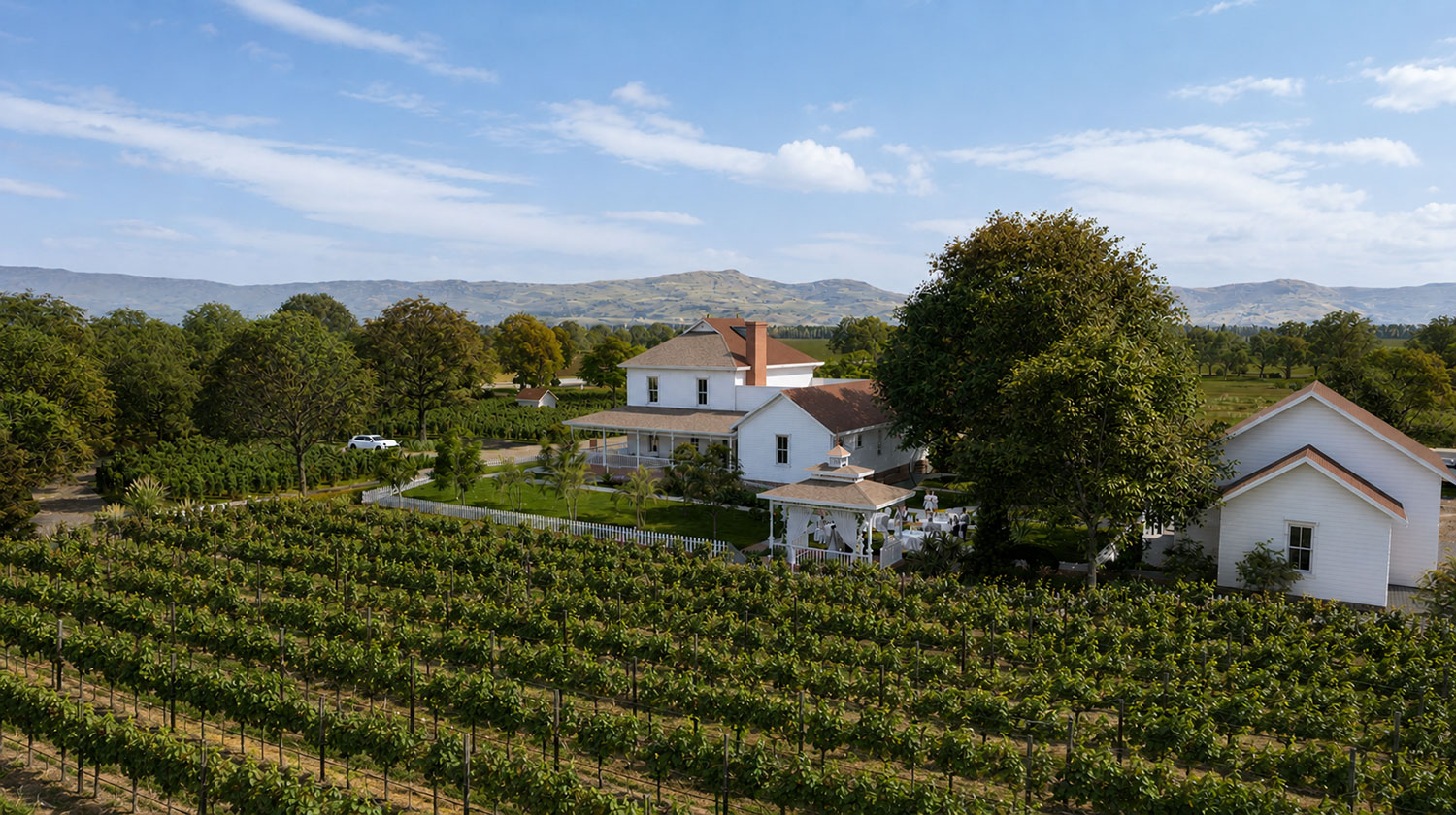
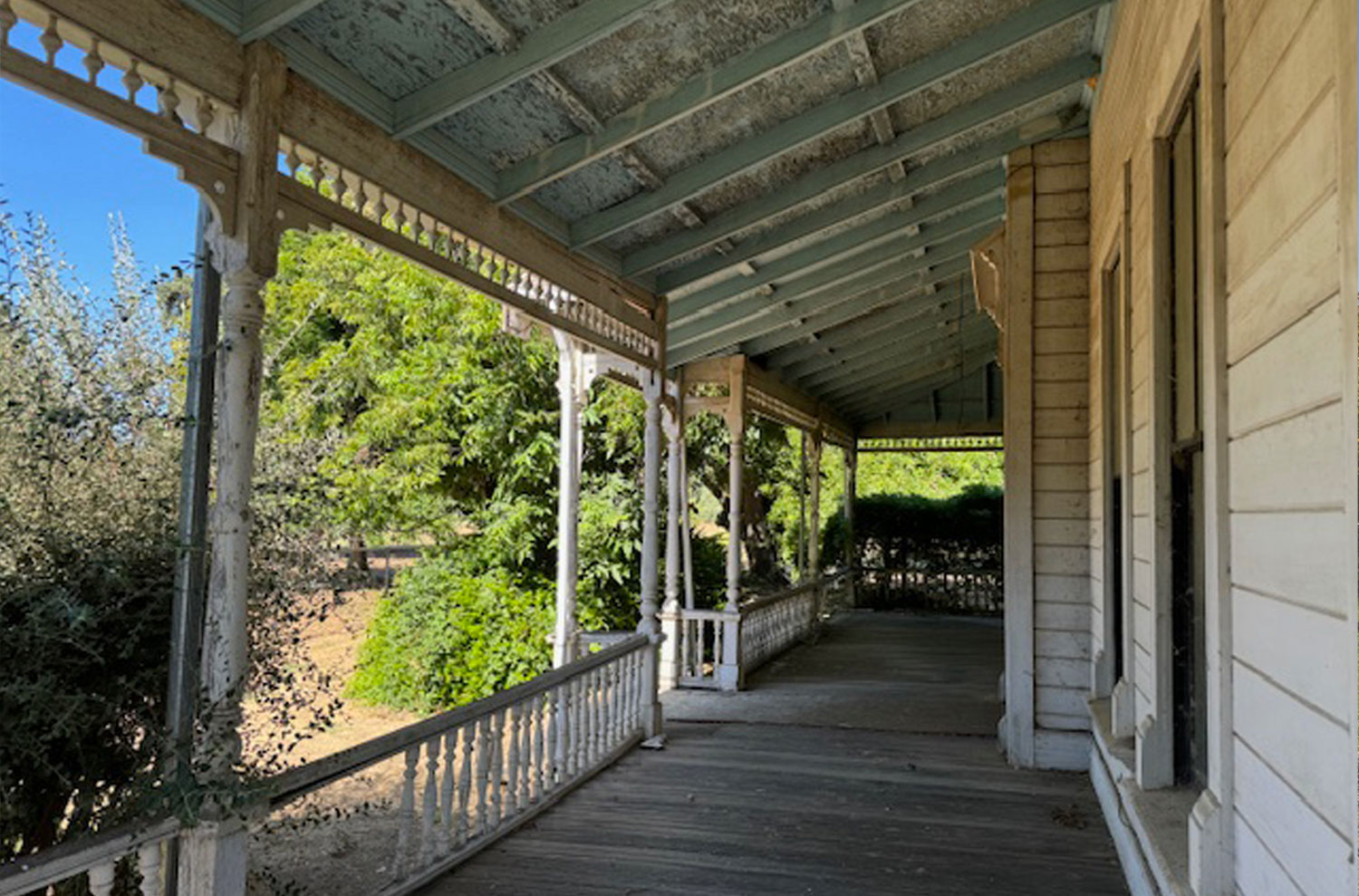
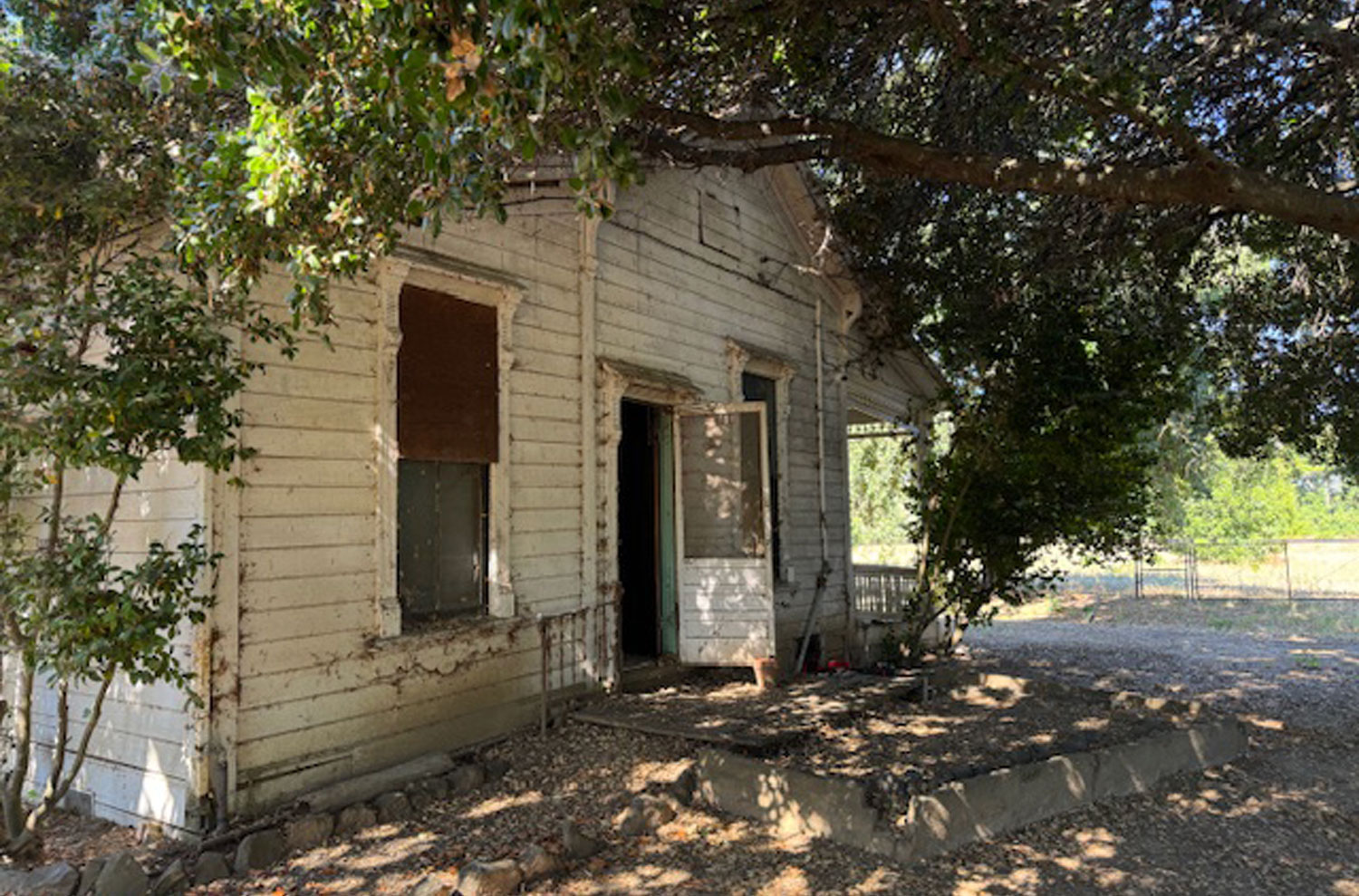
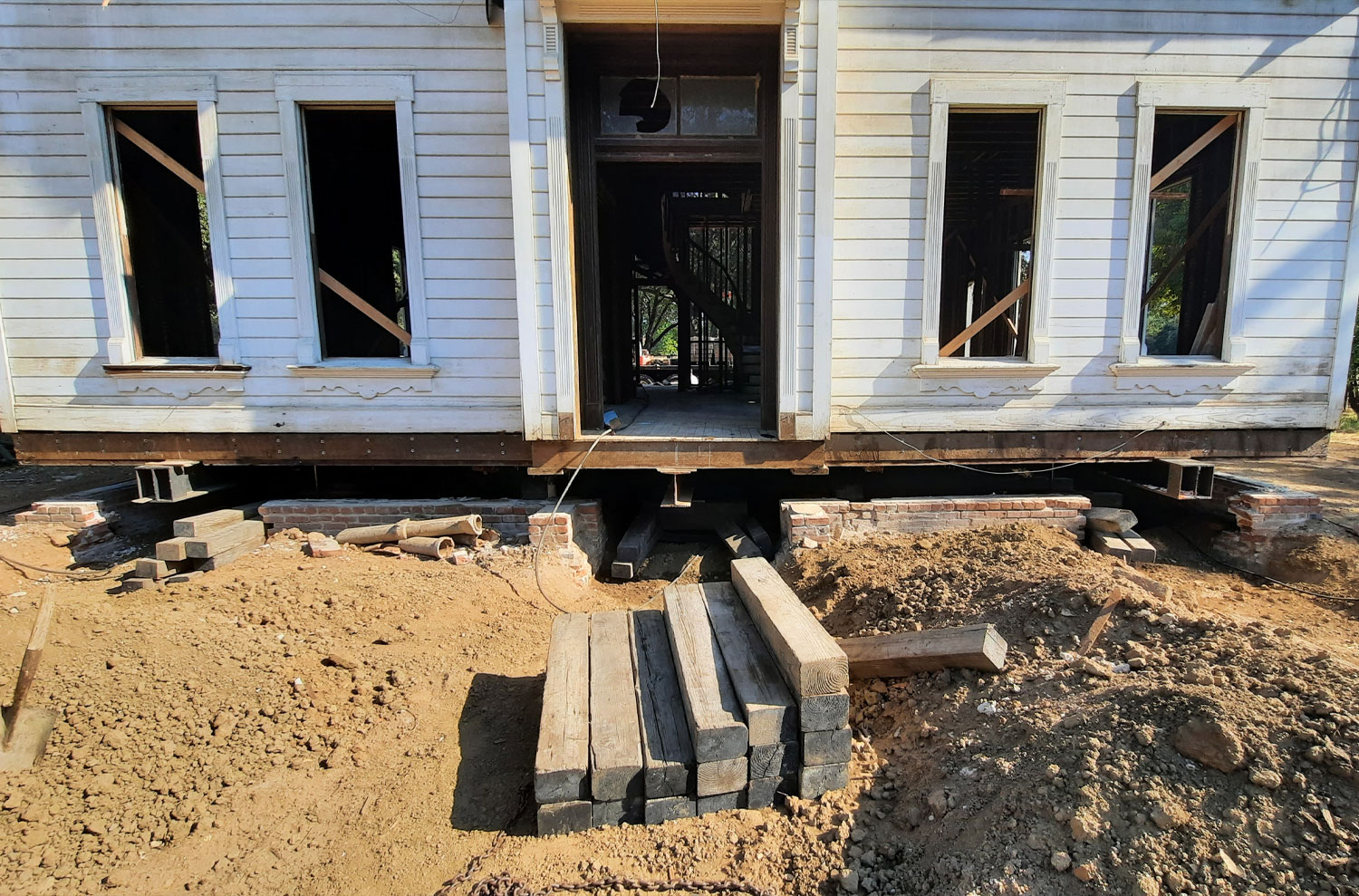
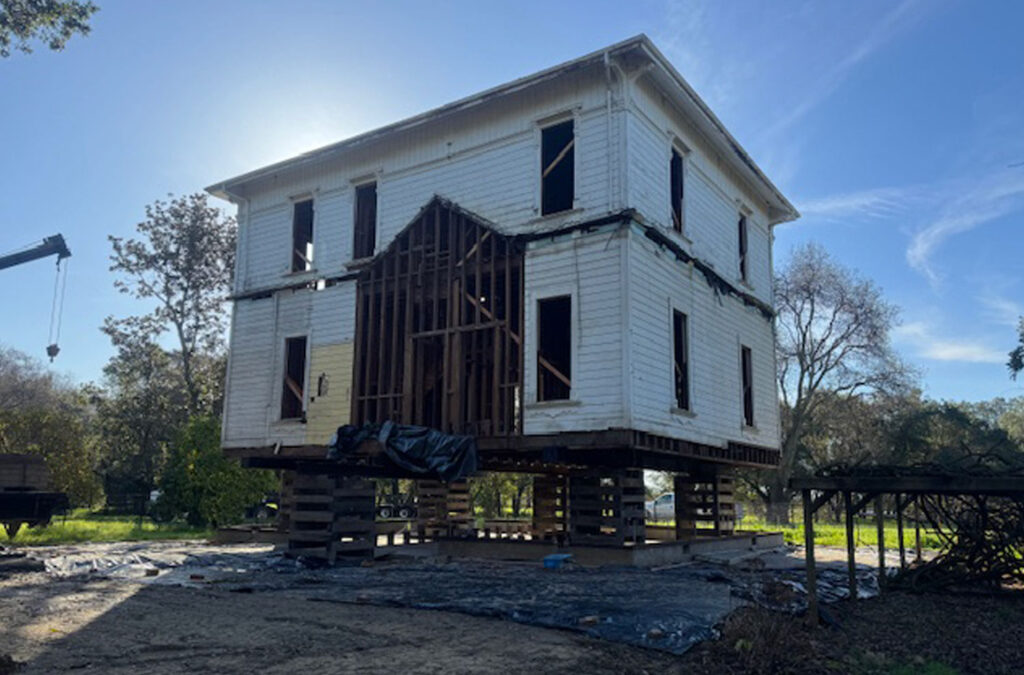
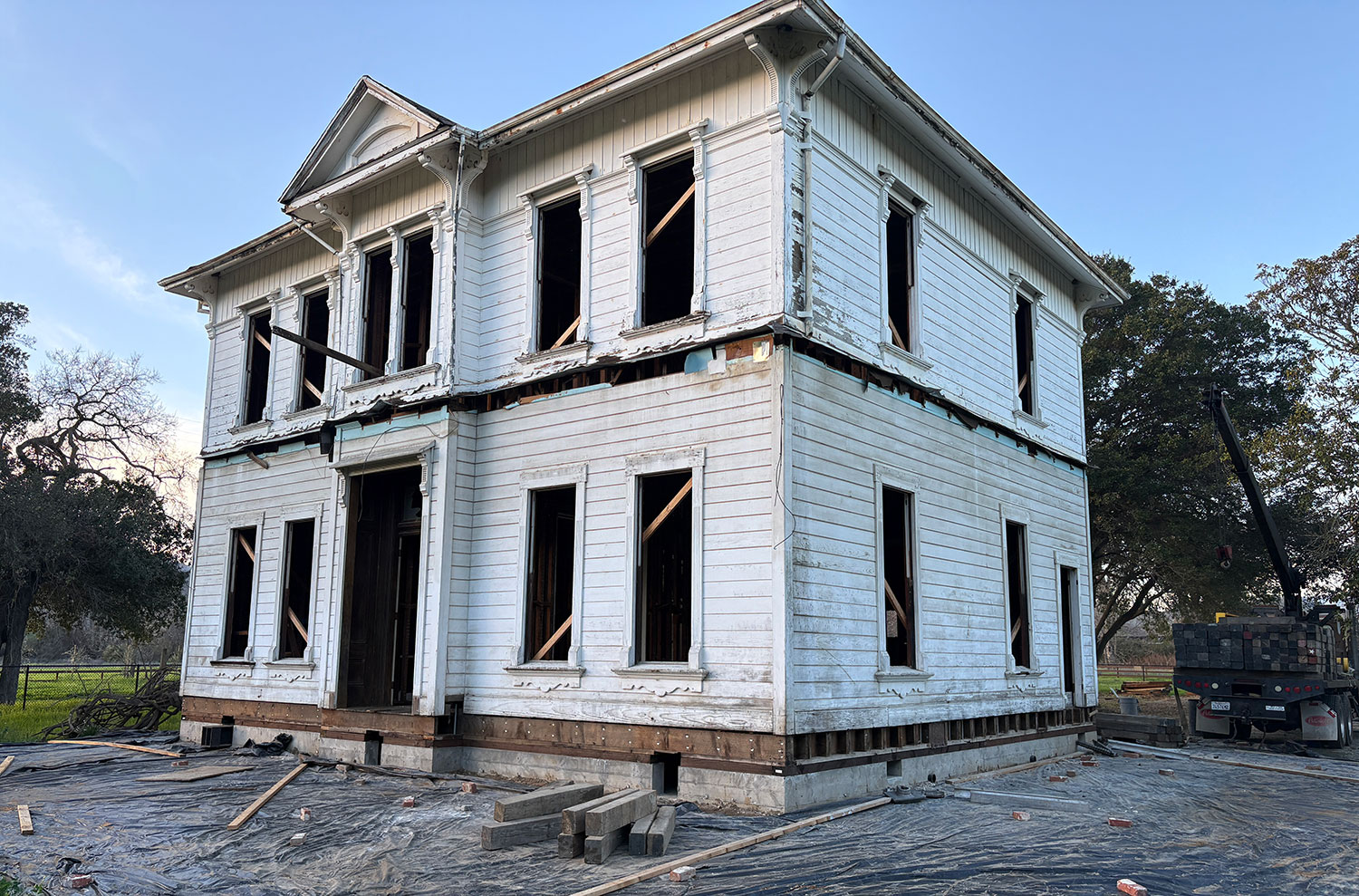
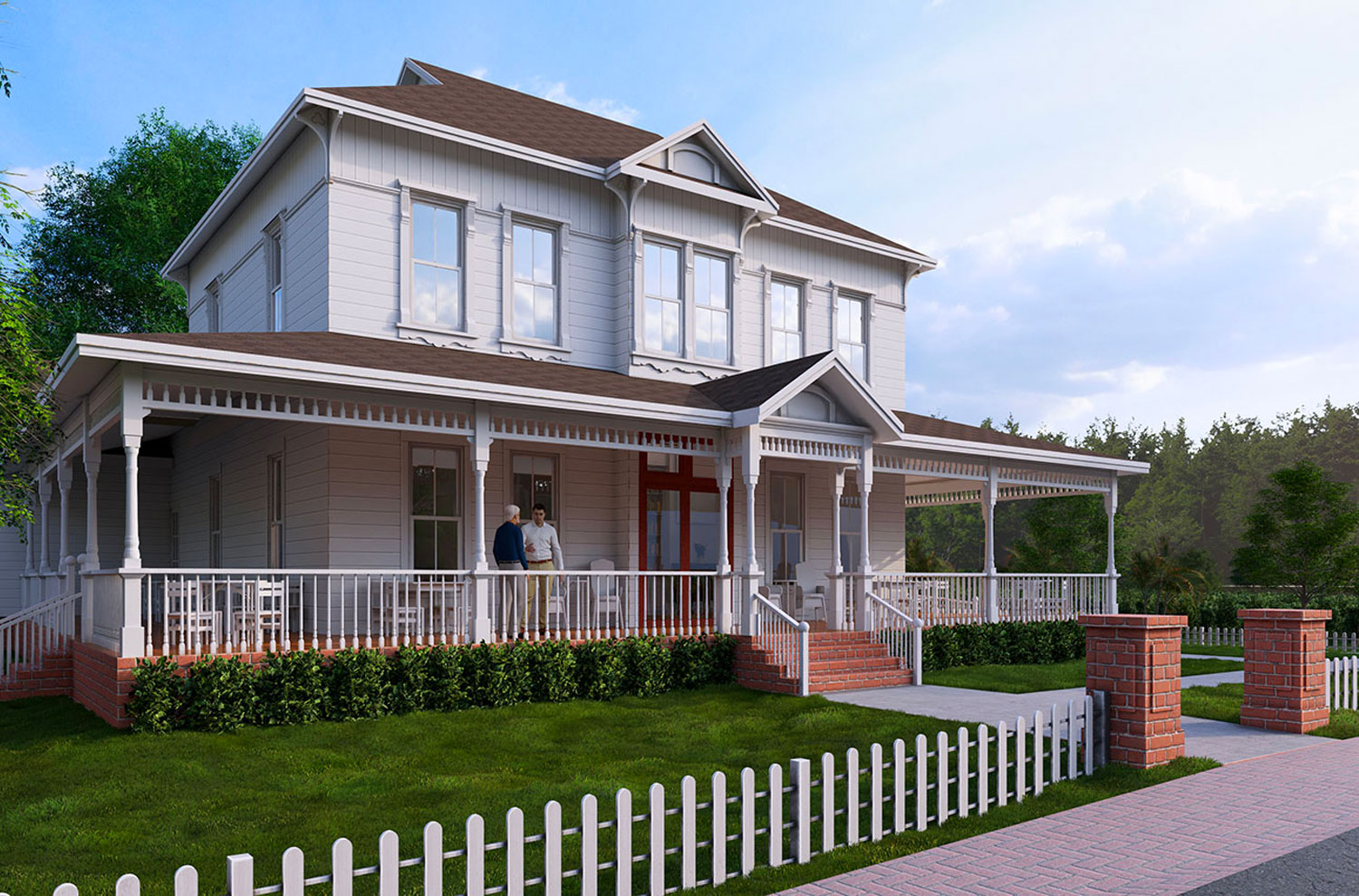
The Wolfskill Mansion vision is centered on restoring the historic property into a boutique winery destination with a tasting room, restaurant, and event spaces including a wedding chapel, all designed in mid-1800s Victorian style. The plan integrates vineyards, gardens, and ponds while connecting to Manka’s Corner and enhancing the vitality of Suisun Valley.


Space available for lease or collaboration, see below:
Manka’s community
We’re currently welcoming tenants for our upcoming collection of new businesses.
Space available for lease or collaboration, see below:
Manka’s community
We’re currently welcoming tenants for our upcoming collection of new businesses.
testimonial
Site Plan
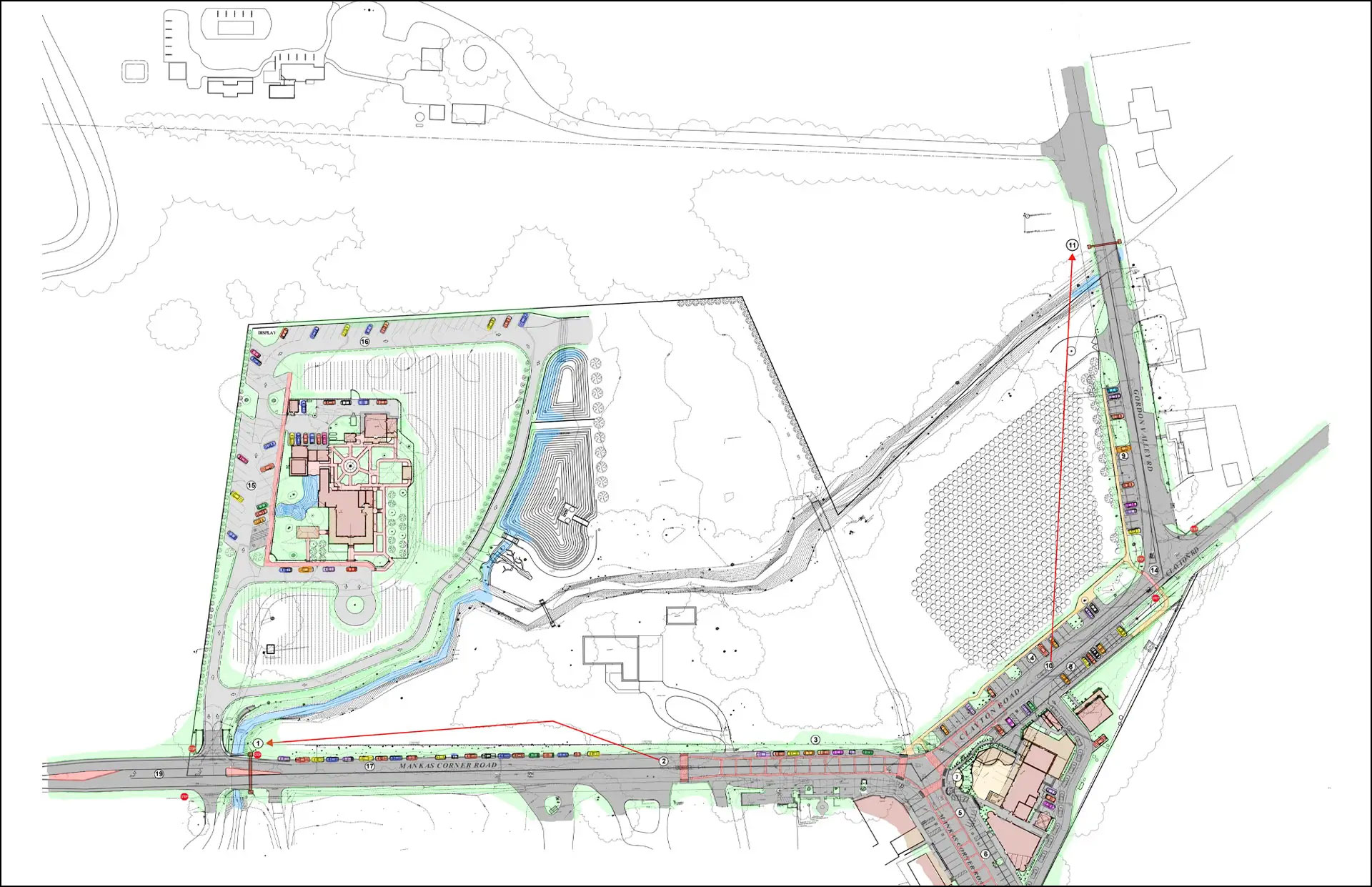
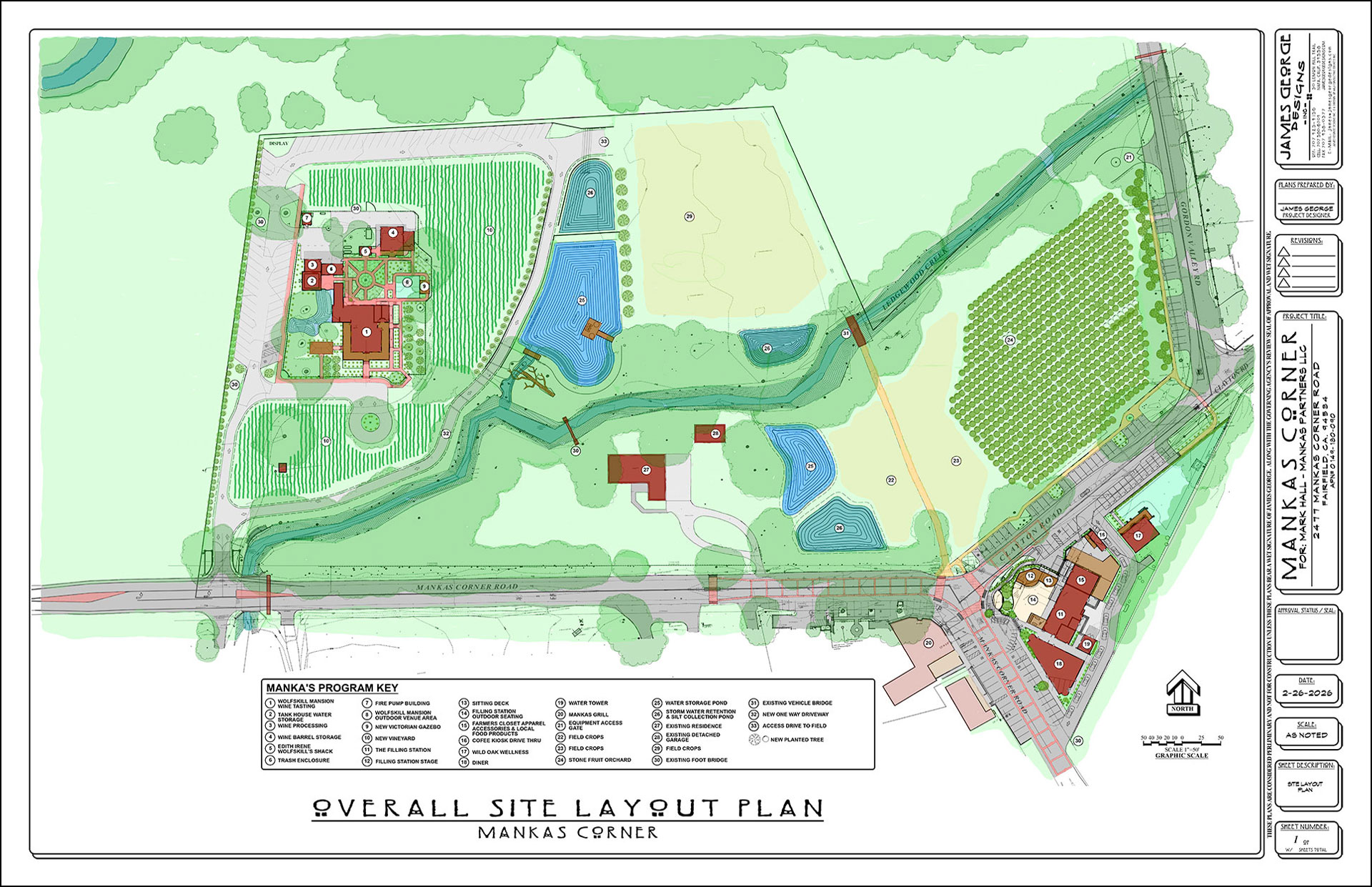
This Manka’s Project site plan showcases Manka’s East and Wolfskill Mansion areas, illustrating concepts and components associated with Application 1 and Application 2. It is intended to provide a general overview of how these elements may come together, with the understanding that future phases and refinements could extend beyond what is shown here.
Site Plan
This Manka’s Project site plan showcases Manka’s East and Wolfskill Mansion areas, illustrating concepts and components associated with Application 1 and Application 2. It is intended to provide a general overview of how these elements may come together, with the understanding that future phases and refinements could extend beyond what is shown here.
Stormwater Control Plan
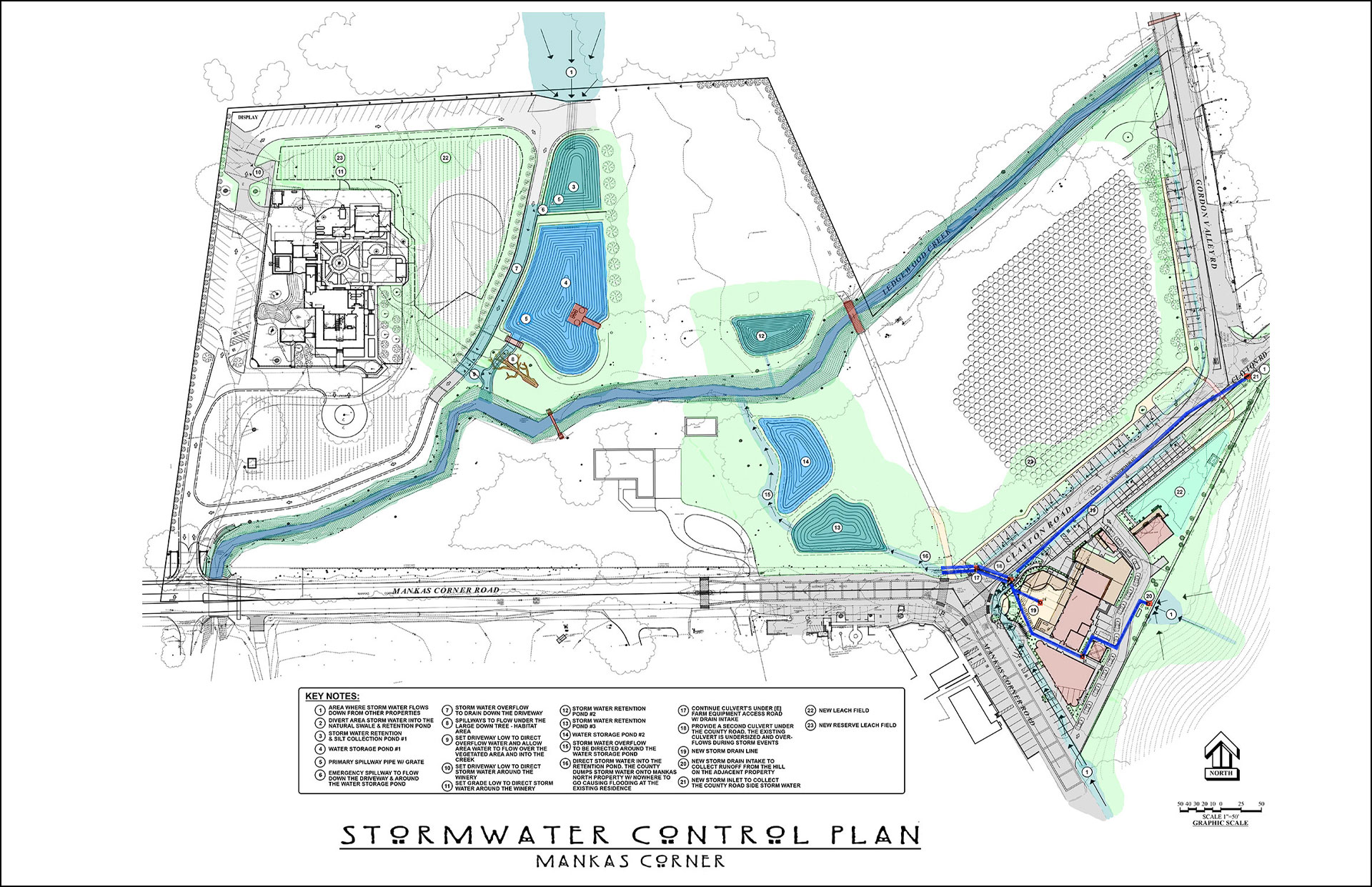
The primary issue addressed in the storm water control plan is uncontrolled runoff flowing from county roads and surrounding properties—specifically from Manka’s Corner Road, Clayton Road, and adjacent hillsides—onto the Manka’s North and Manka’s East properties. Currently, storm water is being discharged onto the site with no proper outlet, causing flooding at the existing residence on Manka’s North and contributing to downstream flooding concerns.
Proposed Solutions:
1. Storm Water Retention/Detention Pond (Primary Fix)
We are proposing a retention pond to be installed to capture and hold storm water during heavy rain events. This will hopefully:
- Prevent flooding at the existing residence
- Control runoff coming from county infrastructure
- Release water gradually after storms in a managed, concentrated manner
- Redirect water safely toward the creek rather than into residential areas
2. New Storm Drains on Manka’s East
Additional storm drains will be added to capture runoff from the roadways and hillsides and direct it into the detention pond system.
3. Mitigation of Added Impervious Surfaces
Any new development that increases hardscape (roofs, parking, etc.) will include on-site detention/retention infrastructure to ensure runoff is properly managed and does not increase downstream flooding.
Plan Summary:
The project is actively solving an existing flooding issue caused by county road discharge, improving water control on-site, protecting neighboring properties, and reducing downstream flooding risk through engineered retention systems.
Stormwater Control Plan
The primary issue addressed in the storm water control plan is uncontrolled runoff flowing from county roads and surrounding properties—specifically from Manka’s Corner Road, Clayton Road, and adjacent hillsides—onto the Manka’s North and Manka’s East properties. Currently, storm water is being discharged onto the site with no proper outlet, causing flooding at the existing residence on Manka’s North and contributing to downstream flooding concerns.
Proposed Solutions:
- Storm Water Retention/Detention Pond (Primary Fix)
We are proposing a retention pond to be installed to capture and hold storm water during heavy rain events. This will hopefully:- Prevent flooding at the existing residence
- Control runoff coming from county infrastructure
- Release water gradually after storms in a managed, concentrated manner
- Redirect water safely toward the creek rather than into residential areas
- New Storm Drains on Manka’s East
Additional storm drains will be added to capture runoff from the roadways and hillsides and direct it into the detention pond system. - Mitigation of Added Impervious Surfaces
Any new development that increases hardscape (roofs, parking, etc.) will include on-site detention/retention infrastructure to ensure runoff is properly managed and does not increase downstream flooding.
Plan Summary:
The project is actively solving an existing flooding issue caused by county road discharge, improving water control on-site, protecting neighboring properties, and reducing downstream flooding risk through engineered retention systems.
Water Management & Fire Protection
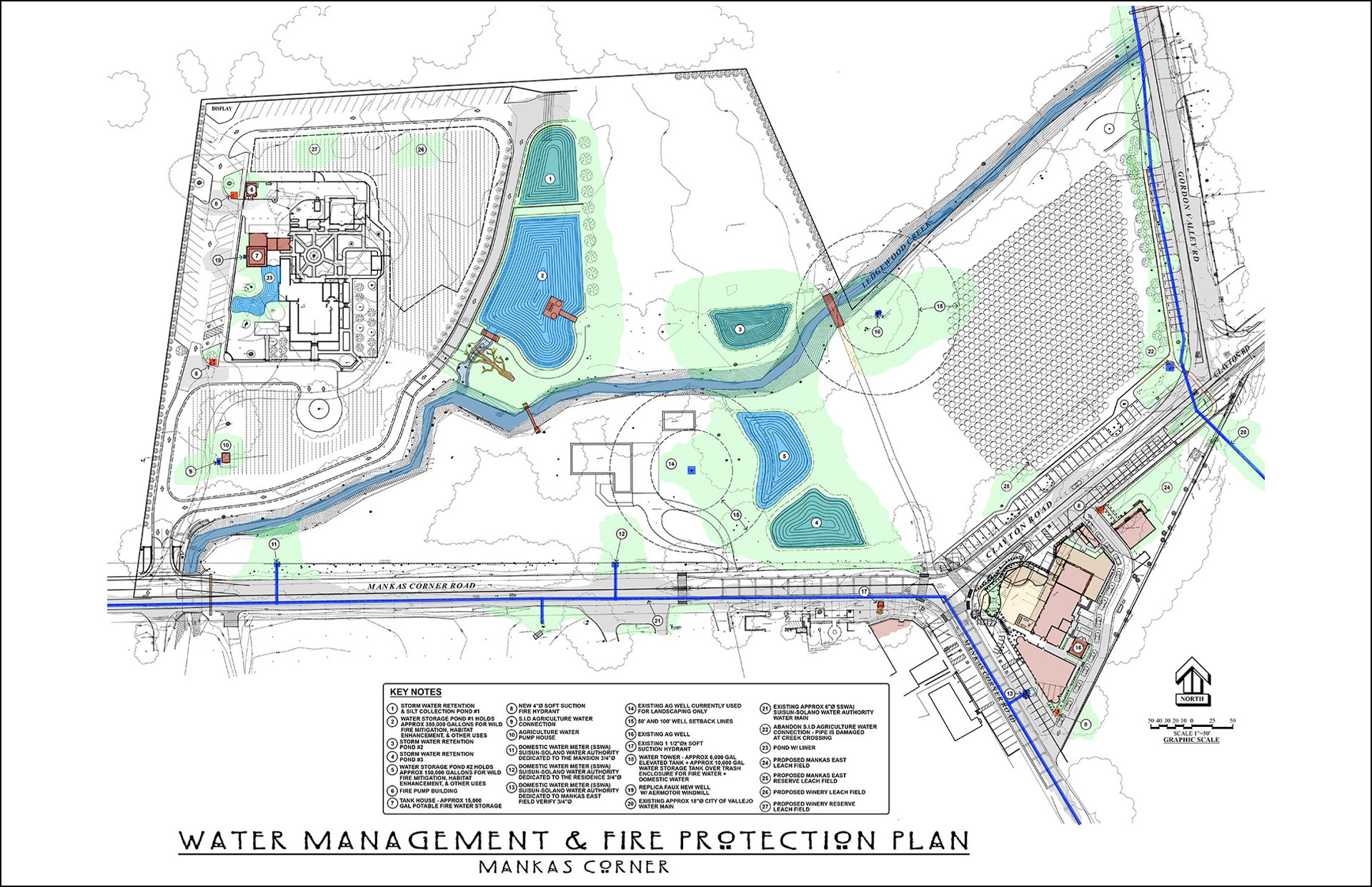
The primary goal of the Water Management & Fire Protection Plan is to increase on-site water availability and improve wildfire response capability by combining dedicated fire-water storage, hydrants, and pond access for firefighting. The plan also supports broader water management objectives by creating year-round water storage that can be used for wildfire mitigation, habitat enhancement, and other site needs. In addition, it ties back to the historic identity of Manka’s Corner as a stagecoach stop originally established around reliable water sources due to the year-round creek flow.
Proposed Solutions:
1. Dedicated Fire Water Storage at Manka’s East
Fire protection improvements at Manka’s East could include 18,000 gallons of on-site fire water storage and two fire hydrants to support emergency response access.
2. Dedicated Fire Water Storage at Manka’s North / Winery
Fire water infrastructure at the winery/Manka’s North could include on-site fire water storage and two fire hydrants at the winery to enhance fire protection capacity.
3. Firefighting Access to On-Site Ponds (Suction Access)
The plan provides firefighter access to on-site ponds, including designated suction access points to support wildfire response and emergency water drafting.
4. Large-Volume Pond Storage for Wildfire Response
Two primary pond volumes are designated for fire and wildfire use, providing substantial additional water capacity beyond tank storage and hydrant systems.
5. Year-Round Water Storage for Multiple Uses
In addition to stormwater detention ponds (addressed in the Stormwater Plan), the project includes year-round ponds designed for water storage, wildfire mitigation, habitat enhancement, and other on-site needs.
Plan Summary:
The Water Management & Fire Protection Plan strengthens wildfire readiness and overall site resilience by adding dedicated fire-water storage, installing multiple hydrants including soft-suction access, and providing firefighting access to high-capacity ponds. Together, these improvements expand water availability for emergency response while supporting long-term water storage, habitat benefits, and preservation of the rural identity.
Water Management & Fire Protection Plan
The primary goal of the Water Management & Fire Protection Plan is to increase on-site water availability and improve wildfire response capability by combining dedicated fire-water storage, hydrants, and pond access for firefighting. The plan also supports broader water management objectives by creating year-round water storage that can be used for wildfire mitigation, habitat enhancement, and other site needs. In addition, it ties back to the historic identity of Manka’s Corner as a stagecoach stop originally established around reliable water sources due to the area’s high water table and year-round creek flow.
Proposed Solutions:
1. Dedicated Fire Water Storage at Manka’s East
Fire protection improvements at Manka’s East could include 18,000 gallons of on-site fire water storage and two fire hydrants to support emergency response access.
2. Dedicated Fire Water Storage at Manka’s North / Winery
Fire water infrastructure at the winery/Manka’s North could include on-site fire water storage and two fire hydrants at the winery to enhance fire protection capacity.
3. Firefighting Access to On-Site Ponds (Suction Access)
The plan provides firefighter access to on-site ponds, including designated suction access points to support wildfire response and emergency water drafting.
4. Large-Volume Pond Storage for Wildfire Response
Two primary pond volumes are designated for fire and wildfire use, providing substantial additional water capacity beyond tank storage and hydrant systems.
5. Year-Round Water Storage for Multiple Uses
In addition to stormwater detention ponds (addressed in the Stormwater Plan), the project includes year-round ponds designed for water storage, wildfire mitigation, habitat enhancement, and other on-site needs.
Plan Summary:
The Water Management & Fire Protection Plan strengthens wildfire readiness and overall site resilience by adding dedicated fire-water storage, installing multiple hydrants including soft-suction access, and providing firefighting access to high-capacity ponds. Together, these improvements expand water availability for emergency response while supporting long-term water storage, habitat benefits, and preservation of the rural identity.
Traffic & Parking Plan
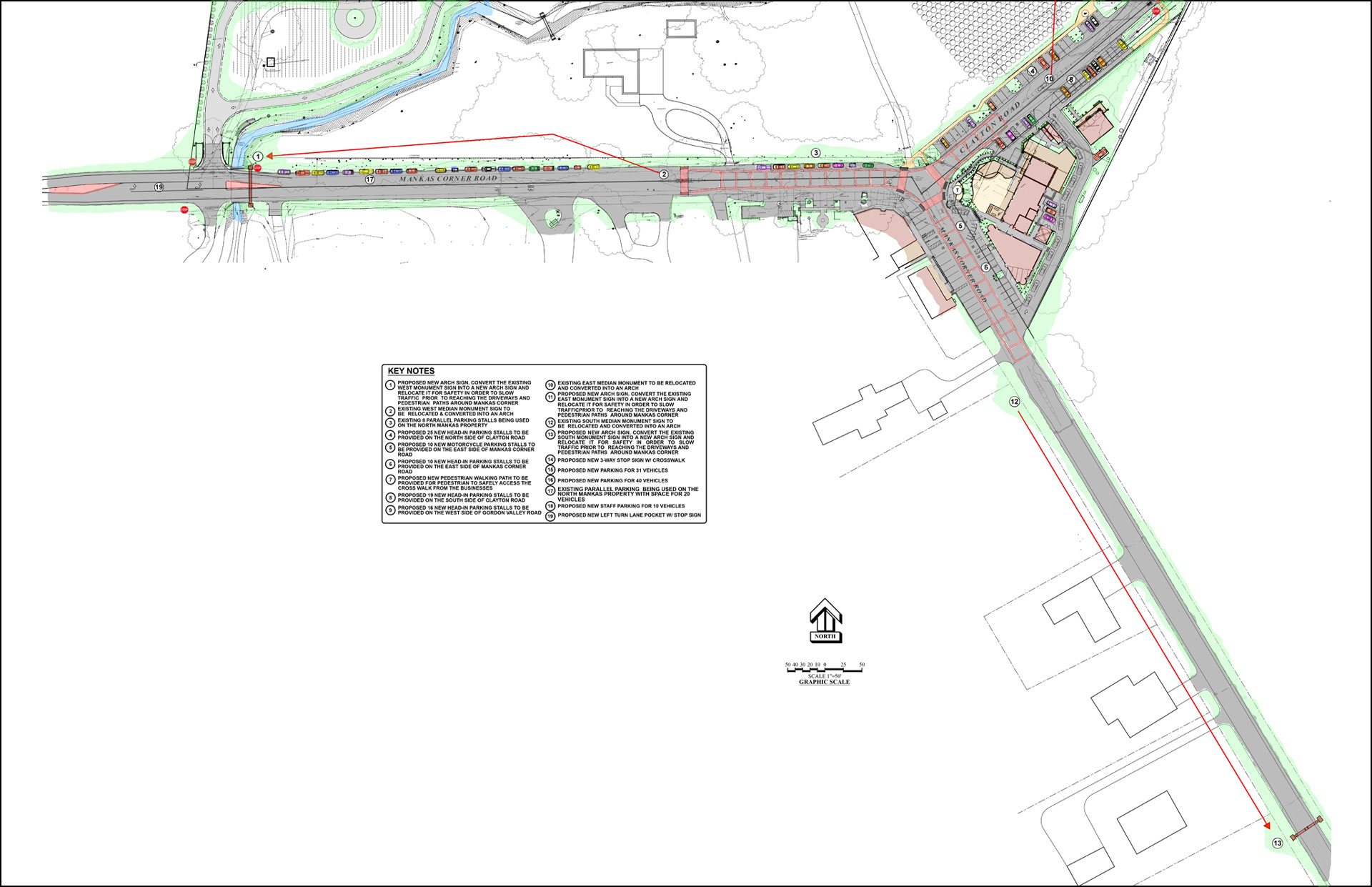
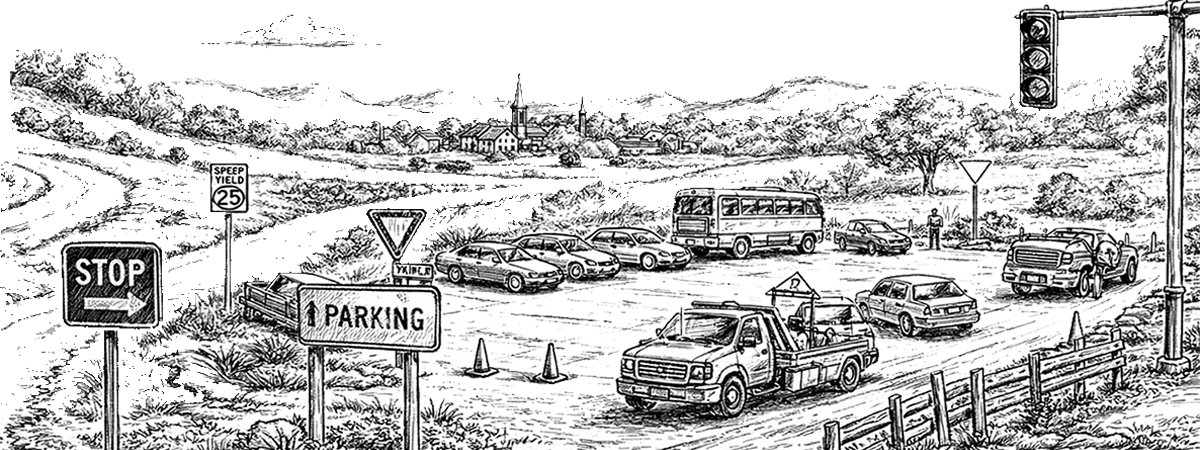
The primary issue addressed in the parking plan is insufficient parking at Manka’s Corner, which has led to congestion and cars parking along shoulders and in ditches. Currently, only 69 total parking spaces serve the entire area, which is clearly inadequate for the existing businesses and visitor demand. As a result, vehicles regularly park along Manka’s Corner Road toward Suisun Valley Road, creating traffic bottlenecks, blocking roadways, and impacting local residents.
In addition, traffic during peak hours traveling on Manka’s Corner Road moves quickly through the area and certain intersections have blind sight lines, no crosswalks, and poor integration with pedestrian pathways.
Proposed Solutions:
1. Expanding Total Parking Spaces
The plan increases parking capacity on our property to 183 proposed spaces, designed to accommodate demand from users on-site. It does not directly address parking demand originating from sources outside of our property.
2. Strategic Location & Distribution
Additional parking will be placed along Clayton Road, Gordon Valley Road, Manka’s Corner Road, and around key buildings, distributing vehicles more efficiently throughout the site.
3. Preservation of Historic Character
The design maintains the historic small-town feel with elements like landscaping and rural fencing. Parking areas will include beautification features to ensure they blend into the rural aesthetic of Suisun Valley.
4. Traffic Calming Measures
To slow commuter traffic before it reaches Manka’s Corner, we are proposing relocating monument signage to help calm vehicles in all directions, along with roadway design adjustments that signal entry into a slower-speed rural zone.
5. New Stop Sign for Intersection Safety
A stop sign may be added at the intersection of Gordon Valley Road and Clayton Road to address confusion and improve driver safety at that location.
6. Turn Pocket Addition
We are proposing a new turn pocket be added on Manka’s Corner Road at the entrance to the Wolfskill Mansion to prevent vehicles from backing up into the main roadway — improving safety and traffic flow.
7. Crosswalk Improvements
We are proposing a new crosswalk, upgrades to existing crosswalks, and new pedestrian pathways that connect directly to those crossings.
8. Improvements – Our Plan
We are proposing a series of traffic and safety improvements at and around Manka’s Corner. This includes a stop sign on Clayton Road eastbound at the intersection with Gordon Valley Road, and a stop sign on Gordon Valley Road southbound at the same intersection, along with new crosswalks. These changes are intended to improve safety at what is currently a blind corner, where southbound traffic does not stop and vehicles—particularly fire trucks—often travel at higher speeds. We are also proposing a stop sign on Manka’s Corner Road at the location of the new left-turn pocket into the Wolfskill Mansion property. With approximately 77 planned parking stalls and increased activity expected, this addition will help manage traffic flow and improve safety.


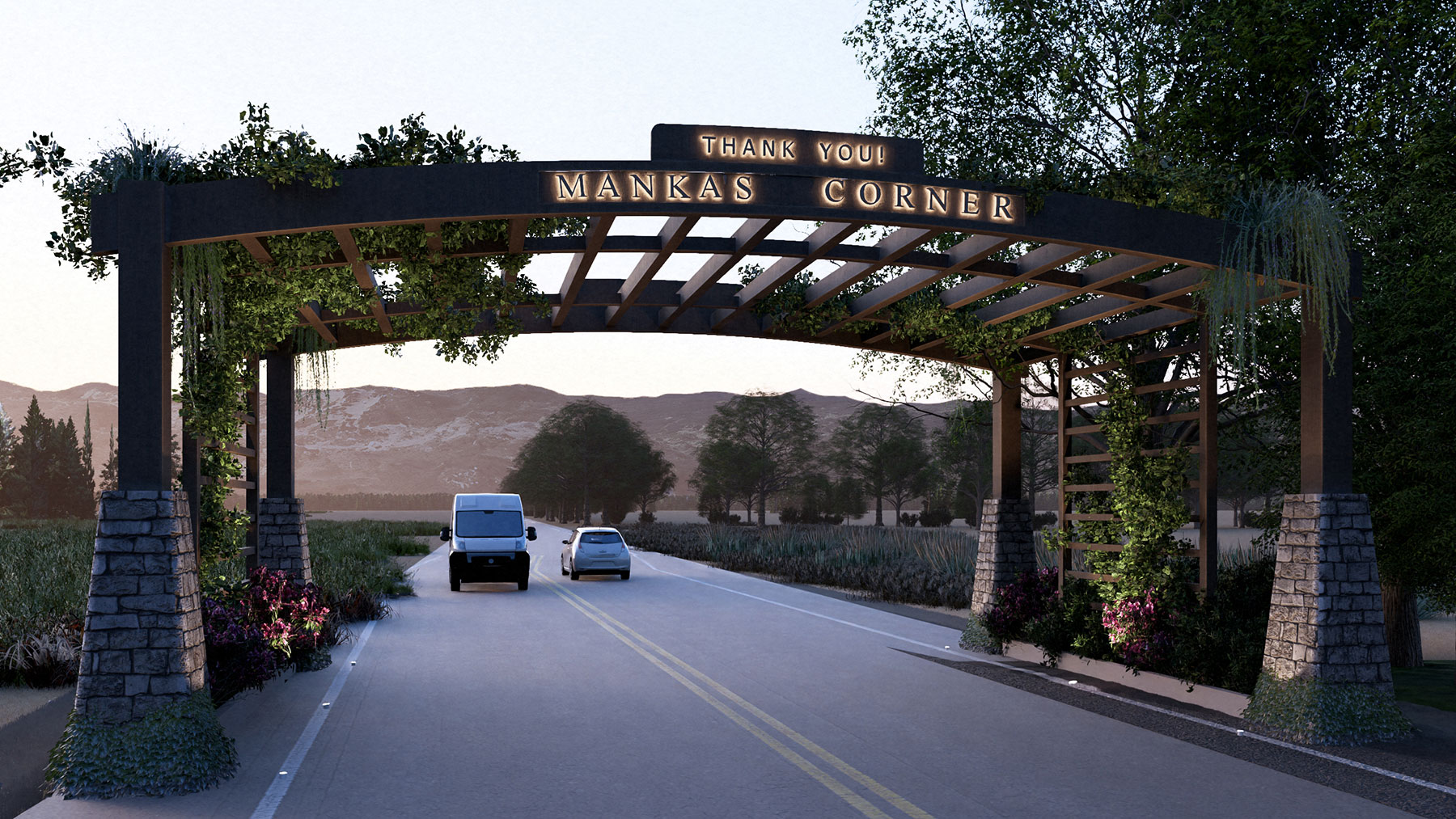
In addition, we are proposing to remove the existing concrete and rock Manka’s Corner branding monuments located in the middle of the roadway, as their current placement creates challenges for large vehicles. In their place, we propose a new, safer approach to branding Manka’s Corner through the introduction of traffic-calming architectural elements. This includes two tunnel-style features along Manka’s Corner Road and Gordon Valley Road, and one arch feature on the south side along Manka’s Corner Road. These elements will serve as visual gateways, welcoming visitors into Manka’s Corner and signaling a transition into a slower-speed, rural environment, with complementary messaging on exit. The proposed arches and tunnels will be thoughtfully designed with natural materials, incorporating vines and surrounding trees to blend seamlessly into the rural character and landscape of Suisun Valley.
Plan Summary:
The Parking & Traffic Plan solves existing congestion and safety challenges by increasing parking capacity, removing cars from road shoulders, calming commuter traffic, improving intersections, adding pedestrian pathways and crosswalk access, enhancing emergency and agricultural vehicle access, and preserving the rural identity of Manka’s Corner. The result is a safer, more organized, and more functional environment that benefits businesses, residents, visitors, and the broader Suisun Valley community.
Traffic & Parking Plan
The primary issue addressed in the parking plan is insufficient and unmanaged parking at Manka’s Corner, which has led to congestion, vehicles lining the streets, and cars parking along shoulders and in ditches. Currently, only 69 total parking spaces serve the entire area, which is clearly inadequate for the existing businesses and visitor demand. As a result, vehicles regularly park along Manka’s Corner Road toward Suisun Valley Road, creating traffic bottlenecks, blocking roadways, and impacting local residents.
In addition, commuter traffic traveling eastbound on Manka’s Corner Road moves quickly through the area, and key intersections lack clarity, stop control, pedestrian access, and proper turning infrastructure — contributing to confusion and safety concerns.
Proposed Solutions:
1. Expanding Total Parking Spaces
The plan increases parking capacity on our property to 183 proposed spaces, designed to accommodate demand from users on-site. It does not directly address parking demand originating from sources outside of our property.
2. Strategic Location & Distribution
Additional parking will be placed along Clayton Road, Gordon Valley Road, Manka’s Corner Road, and around key buildings, distributing vehicles more efficiently throughout the site.
3. Preservation of Historic Character
The design maintains the historic small-town feel with elements like landscaping and rural fencing. Parking areas will include beautification features to ensure they blend into the rural aesthetic of Suisun Valley.
4. Traffic Calming Measures
To slow commuter traffic before it reaches Manka’s Corner, we are proposing relocating monument signage to help calm vehicles in all directions, along with roadway design adjustments that signal entry into a slower-speed rural zone.
5. New Stop Sign for Intersection Safety
A stop sign may be added at the intersection of Gordon Valley Road and Clayton Road to address confusion and improve driver safety at that location.
6. Turn Pocket Addition
We are proposing a new turn pocket be added on Manka’s Corner Road at the entrance to the Wolfskill Mansion to prevent vehicles from backing up into the main roadway — improving safety and traffic flow.
7. Crosswalk Improvements
We are proposing a new crosswalk, upgrades to existing crosswalks, and new pedestrian pathways that connect directly to those crossings.
8. Improvements – Our Plan
We are proposing a series of traffic and safety improvements at and around Manka’s Corner. This includes a stop sign on Clayton Road eastbound at the intersection with Gordon Valley Road, and a stop sign on Gordon Valley Road southbound at the same intersection, along with new crosswalks. These changes are intended to improve safety at what is currently a blind corner, where southbound traffic does not stop and vehicles—particularly fire trucks—often travel at higher speeds. We are also proposing a stop sign on Manka’s Corner Road at the location of the new left-turn pocket into the Wolfskill Mansion property. With approximately 77 planned parking stalls and increased activity expected, this addition will help manage traffic flow and improve safety.
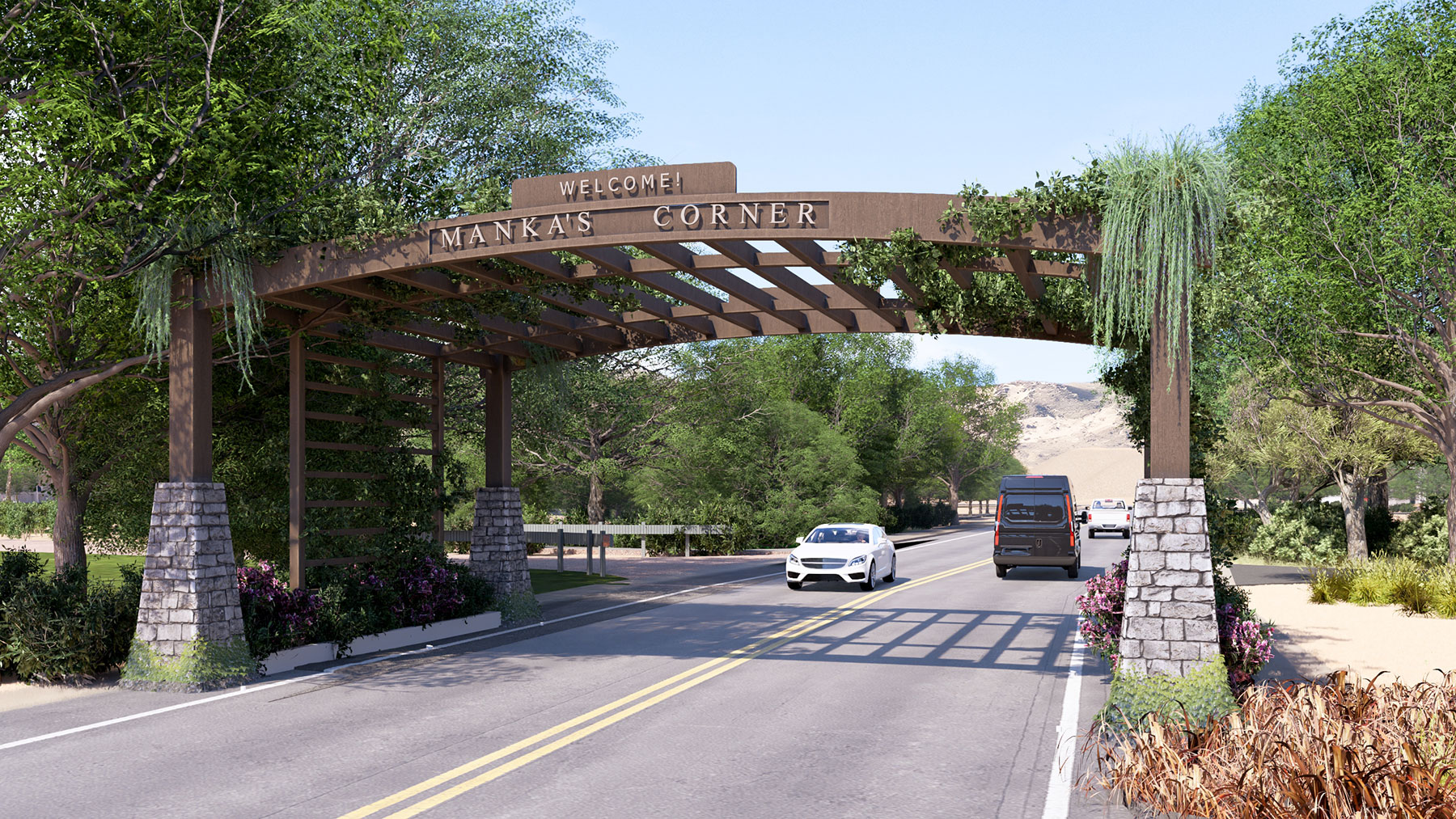
In addition, we are proposing to remove the existing concrete and rock Manka’s Corner branding monuments located in the middle of the roadway, as their current placement creates challenges for large vehicles. In their place, we propose a new, safer approach to branding Manka’s Corner through the introduction of traffic-calming architectural elements. This includes two tunnel-style features along Manka’s Corner Road and Gordon Valley Road, and one arch feature on the south side along Manka’s Corner Road. These elements will serve as visual gateways, welcoming visitors into Manka’s Corner and signaling a transition into a slower-speed, rural environment, with complementary messaging on exit. The proposed arches and tunnels will be thoughtfully designed with natural materials, incorporating vines and surrounding trees to blend seamlessly into the rural character and landscape of Suisun Valley.
Plan Summary:
The Parking & Traffic Plan solves existing congestion and safety challenges by increasing parking capacity, removing cars from road shoulders, calming commuter traffic, improving intersections, adding pedestrian pathways and crosswalk access, enhancing emergency and agricultural vehicle access, and preserving the rural identity of Manka’s Corner. The result is a safer, more organized, and more functional environment that benefits businesses, residents, visitors, and the broader Suisun Valley community.
Rural Environmental Beautification Plan
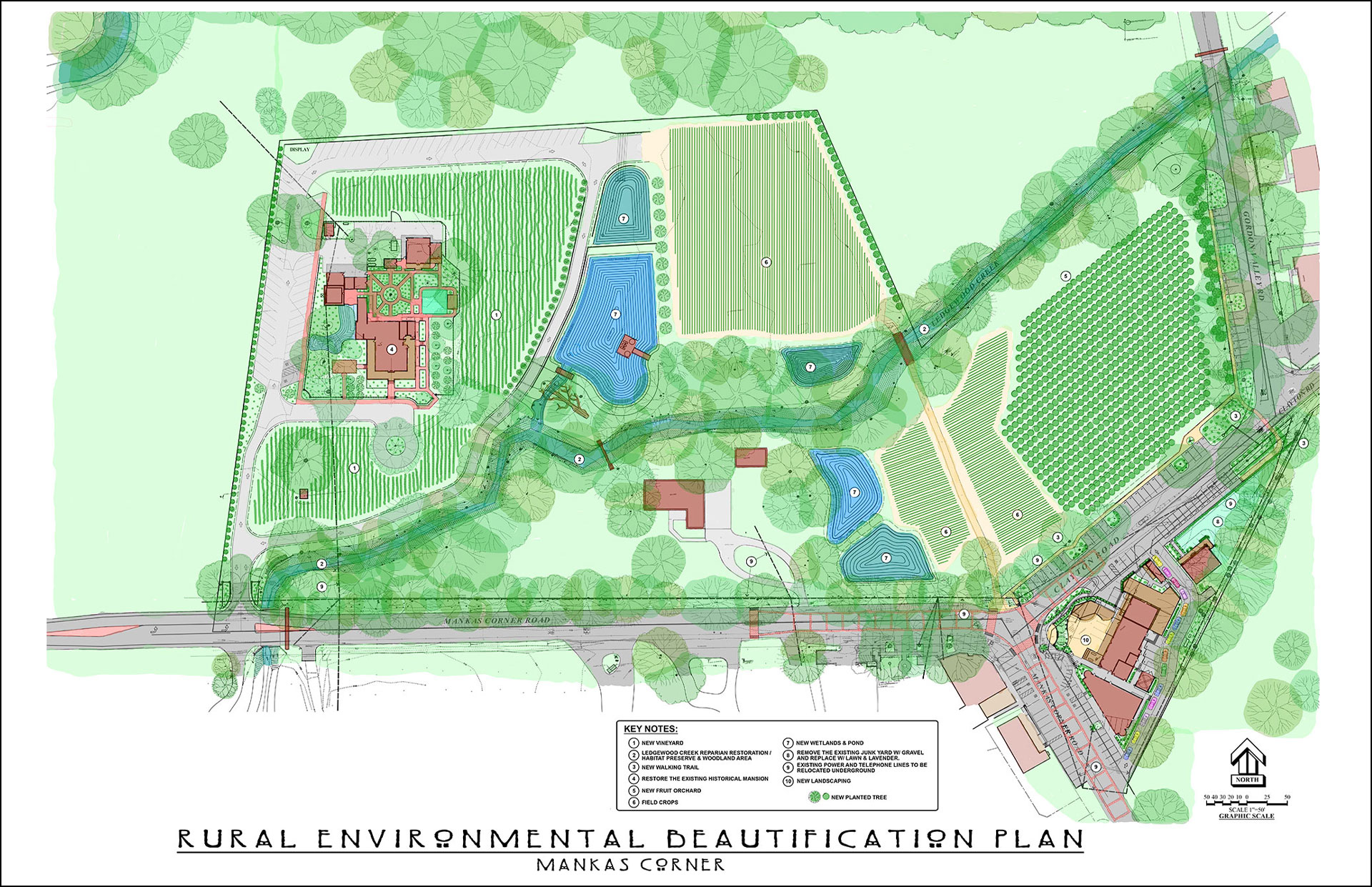
The primary goal of the Rural Environmental Beautification Plan is to enhance and protect the natural character of Manka’s Corner while reinforcing its historic rural identity. The plan focuses on restoring habitat, improving fire safety, expanding water resources, and preserving open space- ensuring the area maintains its small-town, agricultural feel rather than becoming urbanized.
Proposed Solutions:
1. Under-grounding Overhead Utilities
We are proposing to move existing above-ground power lines on our property to be placed underground. This is a big effort that will require coordination and support from the County, PG&E, and neighboring properties in the areas. We are actively working through this process and would appreciate everyone’s cooperation and support.
- This could: improve fire safety by reducing wildfire risk, remove visual clutter, enhance scenic views and rural character
2. Ledgewood Creek Riparian Restoration
The creek corridor may be restored and preserved as a wildlife habitat area.
- This could include: cleaning and responsible tree trimming, habitat restoration and long-term preservation, protection of the riparian corridor as open space
3. Creation of New Ponds
- We are proposing the potential development of up to five new ponds—currently envisioned as three year-round ponds and two intermittent ponds. This concept may evolve as planning and design progress.
- These ponds could provide: wildlife habitat enhancement, water storage for wildfire mitigation, stormwater management, and natural beautification of the landscape
4. Expanded Tree Planting & Agricultural Enhancements
- The project may include: additional tree planting throughout the property, a proposed stone fruit orchard, a proposed vineyard, a new meadow area for open/programmable rural space
5. Bioretention Design Integration
- Stormwater areas may be designed as landscaped bioretention features rather than traditional engineered basins, blending habitat enhancement functions with natural aesthetics.
6. Wildlife Protection & Rural Preservation
We propose sensitive areas may be preserved to protect wildlife and natural habitat. The overall design emphasizes maintaining the historic stagecoach-era character of Manka’s Corner and celebrating the beauty of Suisun Valley.
Plan Summary:
The Rural Environmental Beautification Plan strengthens the area’s agricultural and natural legacy by restoring creek habitat, expanding water features, under-grounding utilities, planting orchards and vineyards, and preserving open space. The project enhances safety, environmental sustainability, and scenic beauty- while ensuring Manka’s Corner retains its rural identity.
Rural Environmental Beautification Plan
The primary goal of the Rural Environmental Beautification Plan is to enhance and protect the natural character of Manka’s Corner while reinforcing its historic rural identity. The plan focuses on restoring habitat, improving fire safety, expanding water resources, and preserving open space- ensuring the area maintains its small-town, agricultural feel rather than becoming urbanized.
Proposed Solutions:
1. Under-grounding Overhead Utilities
We are proposing to move existing above-ground power lines on our property to be placed underground. This is a big effort that will require coordination and support from the County, PG&E, and neighboring properties in the areas. We are actively working through this process and would appreciate everyone’s cooperation and support.
- This could: improve fire safety by reducing wildfire risk, remove visual clutter, enhance scenic views and rural character
2. Ledgewood Creek Riparian Restoration
The creek corridor may be restored and preserved as a wildlife habitat area.
- This could include: cleaning and responsible tree trimming, habitat restoration and long-term preservation, protection of the riparian corridor as open space
3. Creation of New Ponds
- We are proposing the potential development of up to five new ponds—currently envisioned as three year-round ponds and two intermittent ponds. This concept may evolve as planning and design progress.
- These ponds could provide: wildlife habitat enhancement, water storage for wildfire mitigation, stormwater management, and natural beautification of the landscape
4. Expanded Tree Planting & Agricultural Enhancements
- The project may include: additional tree planting throughout the property, a proposed stone fruit orchard, a proposed vineyard, a new meadow area for open/programmable rural space
5. Bioretention Design Integration
- Stormwater areas may be designed as landscaped bioretention features rather than traditional engineered basins, blending habitat enhancement functions with natural aesthetics.
6. Wildlife Protection & Rural Preservation
- We propose sensitive areas may be preserved to protect wildlife and natural habitat. The overall design emphasizes maintaining the historic stagecoach-era character of Manka’s Corner and celebrating the beauty of Suisun Valley.
Plan Summary:
The Rural Environmental Beautification Plan strengthens the area’s agricultural and natural legacy by restoring creek habitat, expanding water features, under-grounding utilities, planting orchards and vineyards, and preserving open space. The project enhances safety, environmental sustainability, and scenic beauty- while ensuring Manka’s Corner retains its rural identity.
Our thoughts on Suisun Valley
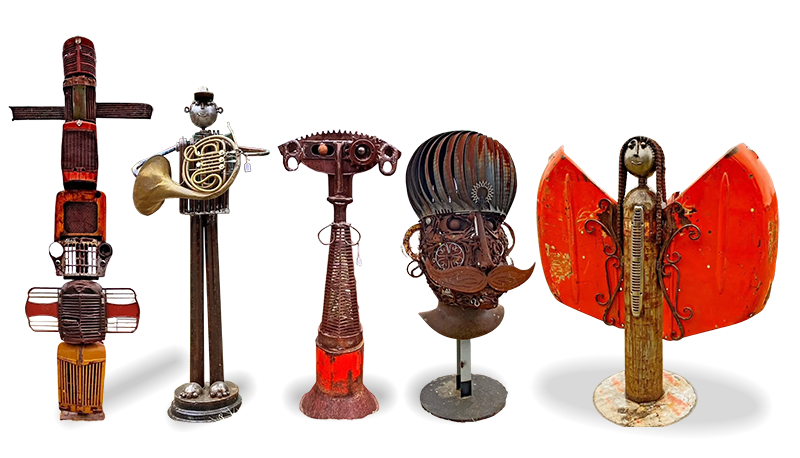
At Manka’s Corner, we are committed to celebrate the Valley’s history, families, and agricultural traditions while creating a destination rooted in authenticity. Glashoff Sculpture Art, with its deep connection to Suisun Valley, will be featured in portions of the project as an expression of the region’s true character.
HISTORICAL TIMELINE

Before the 1800s
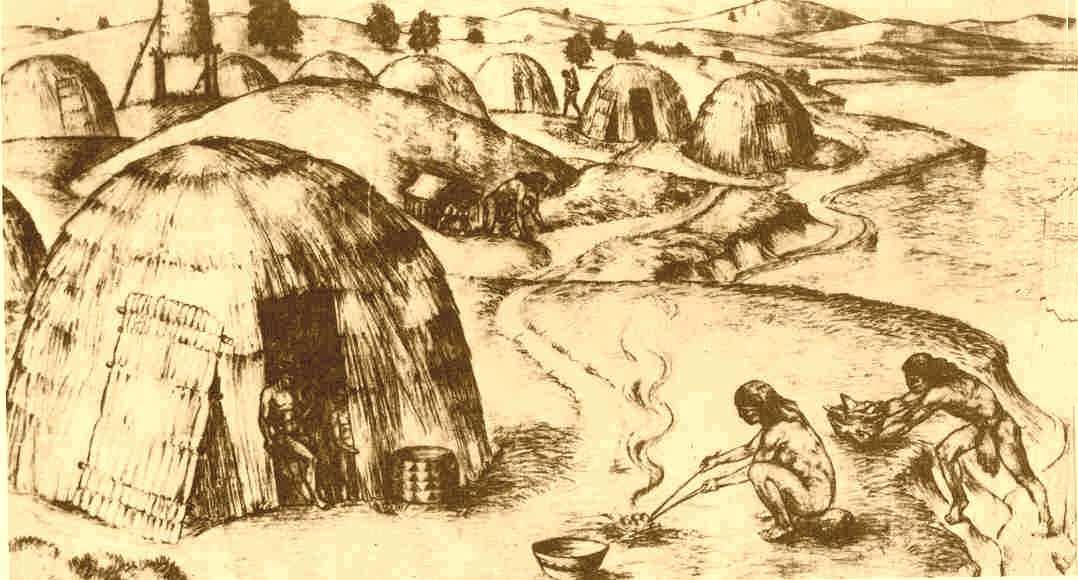
The Suisun Valley, rich in natural beauty and resources, was home to the Patwin tribe, known for their deep connection to the land.
1837
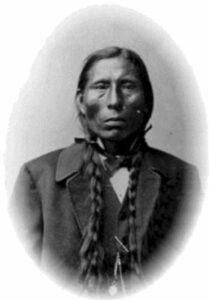
A vast expanse of 18,000 acres, known as Suisun Rancho, was granted to Sam Yeto, also known as Francico Solano, or Chief Solano of the Suisun area Patwin Indian tribe, a distinguished leader of the Suisun people, received this land grant from Mexican Governor Juan Alvarado. Solano received this land grant substantially due to his friendship with, General Mariano Vallejo, of the Mexican Government, marking the area’s early colonial history. Seems a bit ironic in retrospect, to receive a land grant to your own historical lands…

1840s-1850s
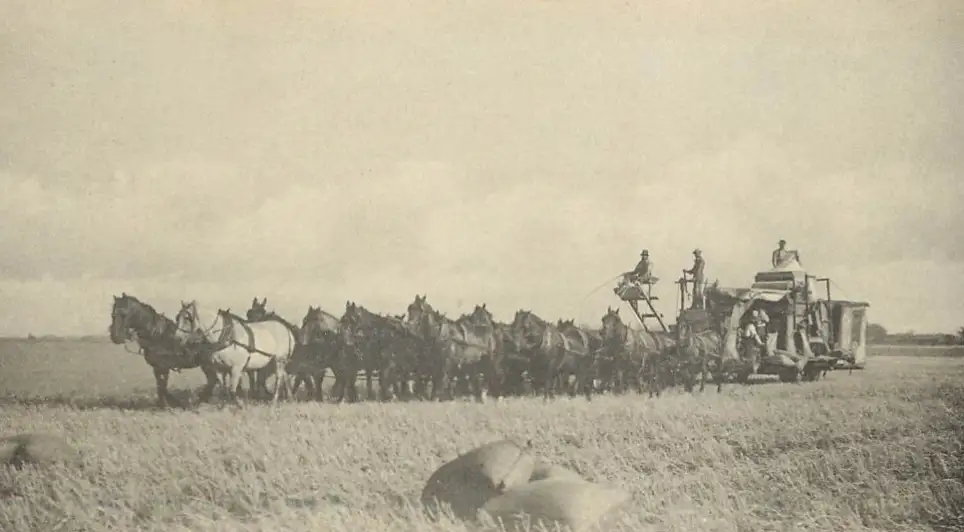
Following the end of the Mexican–American War, Gold Prospectors poured into California. Some gave up prospecting and decided to settle permanently, bringing new agricultural practices to the fertile valley.
1842
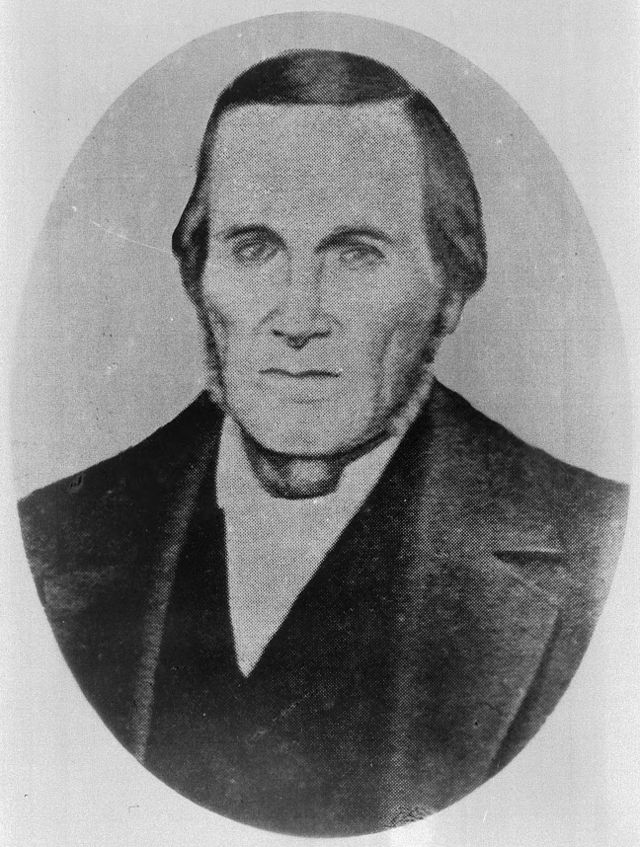
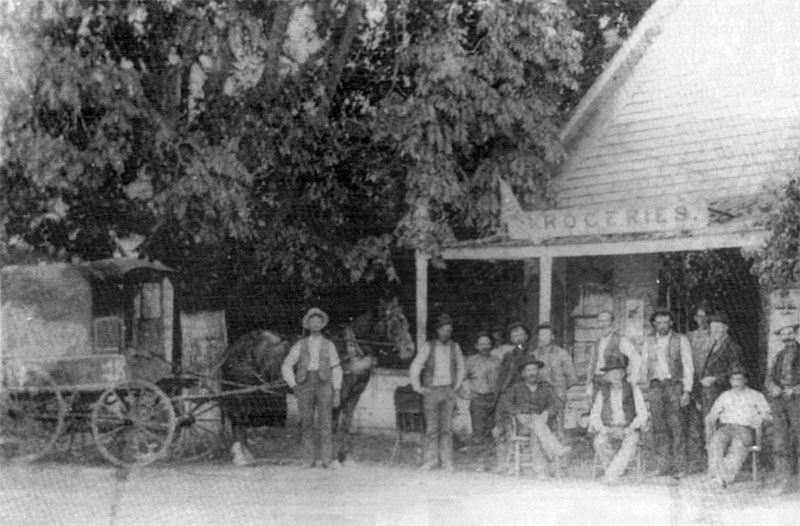
In 1842, early Southern California Pioneer William Wolfskill receives a land grant near present day Winter’s CA, called Rancho Rio de los Putos, for 28 square miles along present day Putah Creek, source of Lake Berryessa. William lived in southern California and was married to General Mariano Vallejo’s first cousin. William is credited with bringing the first commercial wine grapes and citrus trees into California. William’s younger brother, John Reid Wolfskill, began farming this land, along with the help of three more younger Wolfskill brothers who migrated to California in 1850 to help farm the Wolfskill Rancho. The third Wolkskill brother in the pecking order was Mathus Wolfskill, who was granted 2000 acres of prime orchards by his brothers, John and William.

1855
In 1855, former Gold Miner Christley Manka, buys an interest in a store and schoolhouse from John W Barton, which was then known as Barton’s store. This is todays Manka's Grill Steakhouse, run by Kyle Barraza, and owned by Frank Vezer. Christley Manka buys out Barton’s remaining interest in 1859, and the old stage coach stop becomes known as Manka's Corner. Christley Manka’s best friend becomes Joeseph C. Wolfskill, who lives directly across the street, and who administers Christley Manka's estate upon his death in 1888.

1860s
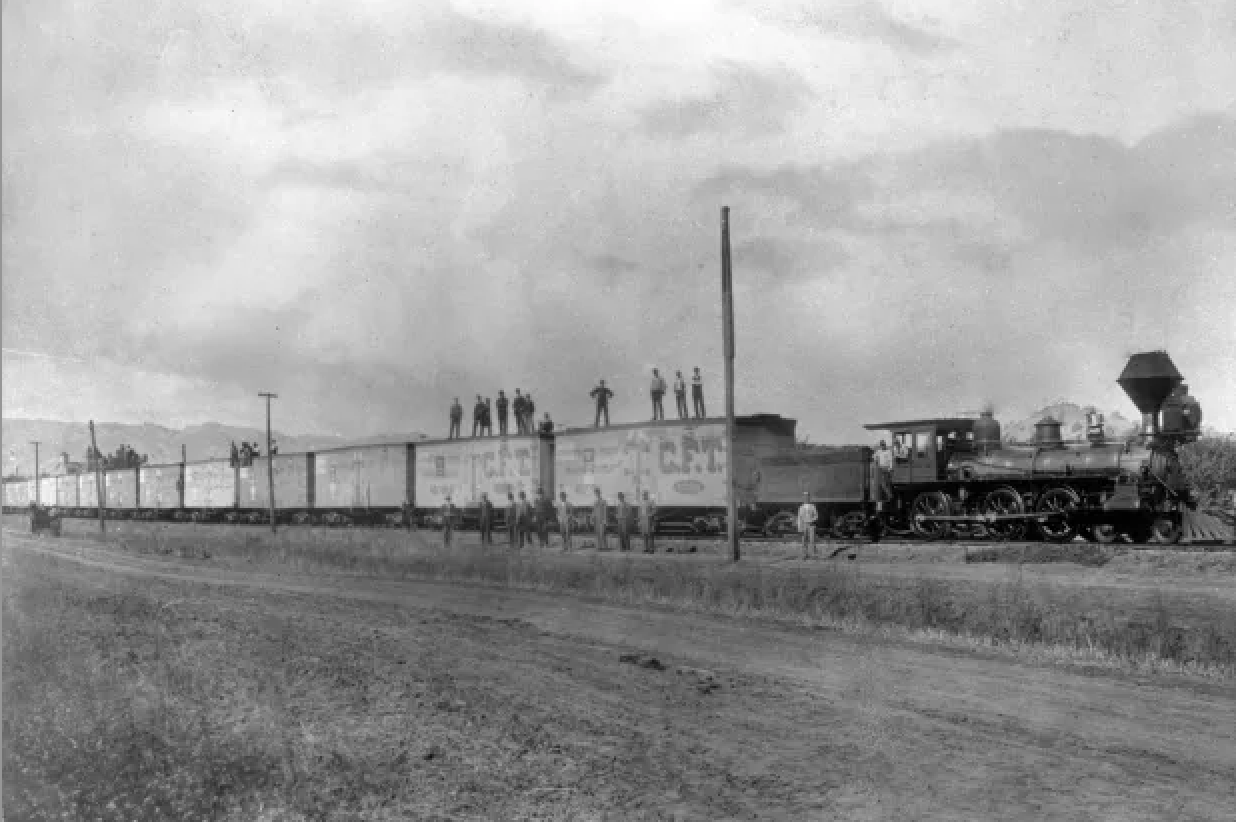
The advent of the railroad connected Suisun Valley to broader markets, boosting local agriculture and paving the way for economic growth.

1866
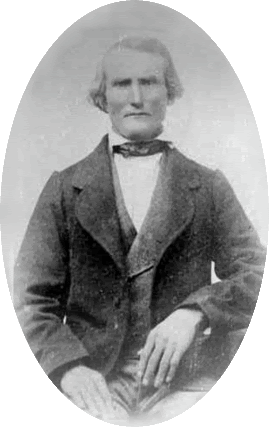
In 1866 Mathus Wolfskill moves from the Putah Creek ranch, and together with his son Joeseph, buys two major ranches totaling about 1200 acres of what is today, lower Gordon Valley, stretching from Manka's Corner all the way up to today’s Abruzzini Ranch. Mathus has two sons, John W. Wolfskill, and Joeseph C. Wolfskill. John W. Wolfskill becomes a very successful land investor, oilman, and rancher in Southern California. He is credited with creating the towns of Escondido, near San Diego, and the town of La Brea. He also owned a large ranch under what is present day UCLA and Westwood Village. John W. Wolfskill was a contemporary of Charles Victor Hall, Mark Hall’s great, great, grandad who was also a southern California early oilman. Hall discovered the Olinda oilfields of modern-day Fullerton, CA, directly adjacent Wolfskill’s La Brea oil holdings, where Hall founded and acted as CEO of Fullerton Oil Company. Hall and Wolfskill were operating businesses in the same industry at the very same time. Hall also owned the rancho comprising the modern-day town of San Marcos, near San Diego, and directly adjacent the Wolfskill holdings in present day Escondido.

1872
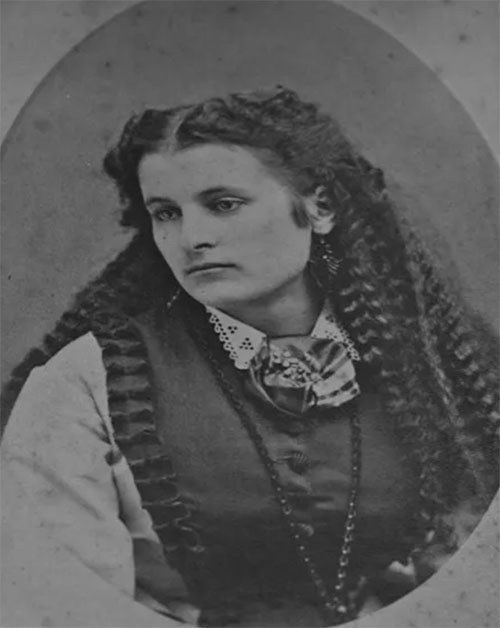
Ana Luisa Dalton, another early ancestor of Mark Dalton Hall, marries Louis Wolfskill, eldest son of William Wolfskill, and first cousin to brothers Joeseph C. Wolfskill, and John W. Wolfskill, both of Suisun Valley at one point or another. We put this tidbit in the history line, because it is interesting to Mark and Tam that Mark is actually distantly related, via marriage, to the Wolfskill clan. So is Linda Ronstadt, by the way, and we’ve never met her, so it is not that big of a deal…pretty much any early pioneers in California from the 1830’s, likely knew each other pretty well.

1885
Mathus and his son Joeseph Wolfskill begin constructing what was to become the grandest Mansion in all of Suisun Valley, in approximately 1882. By 1885, the Victorian Era Mansion is complete, and it is considered one of the most noteworthy homes in the entire Solano County region. After Joeseph’s father Mathus passed in 1891, Joeseph and his wife Mary raised three children in the home. They were named Mathus (named after Joeseph’s father), Jerena, and Clarence. Jerena, who was born in 1893, lived in the home her entire life. She married Ernest Cicero Armstrong (which is why some people call it the Armstrong House), in 1920. Jerena passed away in 1997 at the ripe old age of 104. Most of her personal effects were still in the house, just as she left them the day she died, when we purchased the home, 27 years after her death.

Mid-20th century
Post-war expansion saw a boom in fruit and vegetable farming, establishing the valley as a key player in California's agricultural sector.

1960s-1970s
Vineyards begin to expand in Suisun Valley, slowly pushing out row crops, plums, pears, and other stone fruits as wine grape quality is recognized for its quality.

1982
Recognition of the area’s unique terroir led to the designation of Suisun Valley as an American Viticultural Area (AVA), officially putting it on the map for wine production. Thank you to the late Chick Lanza for leading this effort!

1997
Mark Hall buys the Dove Nest Ranch on Gordon Valley Road, formerly a portion of the Joeseph C Wolfskill Ranch Holdings.

2000s
A revival in viticulture and organic farming began, with a surge in family-owned vineyards and wineries dedicated to sustainable practices.

2019
Chuck Wagner, owner of Caymus Vineyards, acquires the Manka's Meadow property from the Wolfskill Family heirs.

2020
During the COVID-19 pandemic, Suisun Valley’s agritourism demonstrated the resilience and adaptability of the local agriculture community for those seeking an outlet from being cooped up in lockdown.

2022
In spring 2022, Caymus Vineyards established the Caymus-Suisun Winery in the Suisun Valley, marking a significant shift as the region began to gain recognition for its wines, not just the quality of its grapes. Thank you Chuck, Jenny, and Charlie Wagner, for recognizing the potential in Suisun Valley as a premium wine producing area, and bringing your globally recognized premium brand to our corner of the wine world!

2023
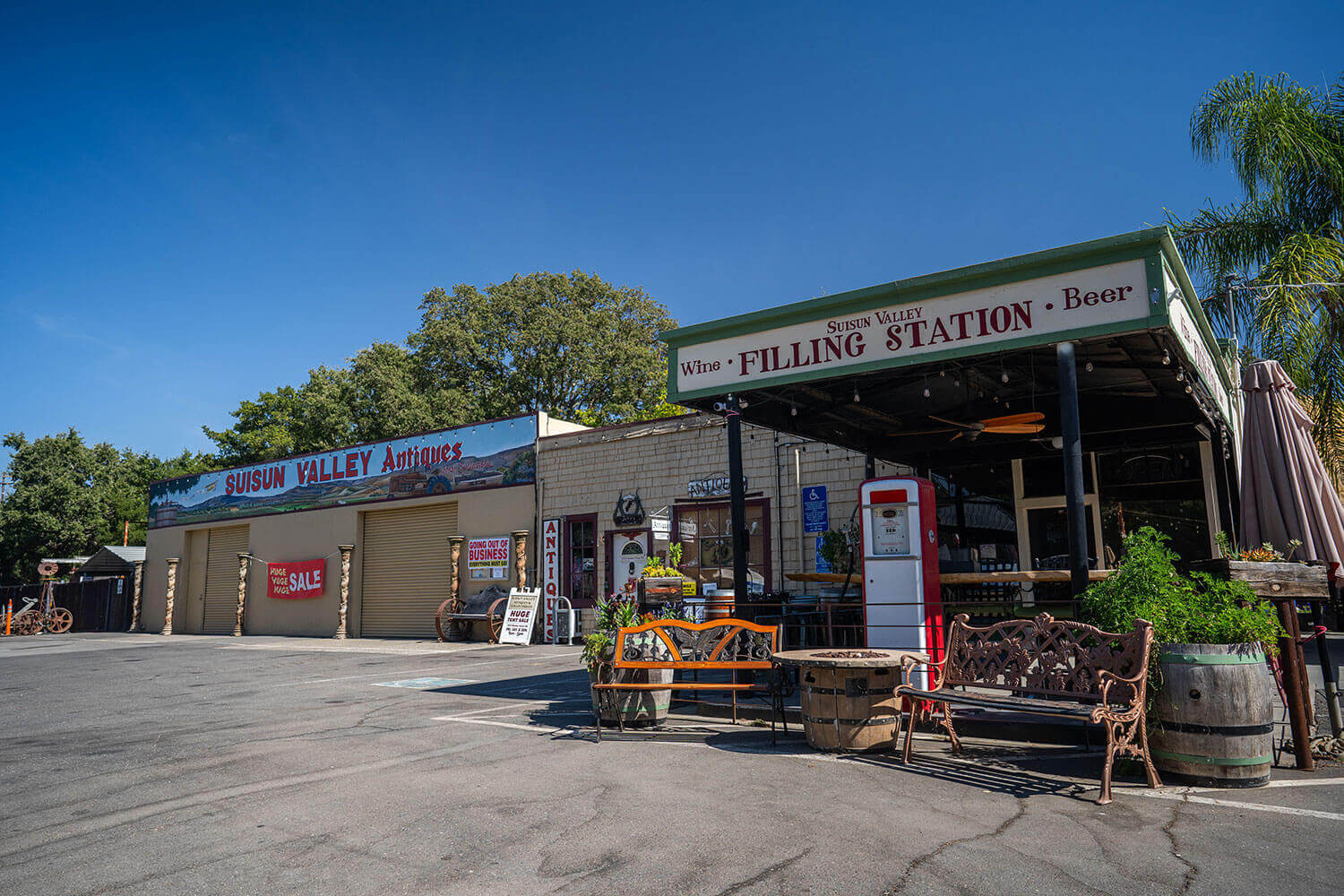
Mark and Tam purchase the Filling Station side of Manka's Corner from the Wolfskill Family heirs (thank you to Meredith Russel Carter and the late April Russel who are great, great, great, granddaughters of Mathus Wolfskill).

2024- Present Day
Chuck Wagner / Caymus Vineyards enters a contract to sell the Manka's Meadow property to Mark Hall and Tamara Gerlach in an off-market transaction. This transaction was finalized and the title was transferred in September. Thank you, Chuck! This now brings Mark and Tam’s holding to 16 acres surrounding Manka's Corner. Today, Suisun Valley is celebrated as a charming wine destination, where visitors can enjoy the legacy of both its natural and cultivated landscapes, savoring locally produced wines and fresh produce in a picturesque setting.

Before the 1800s
The Suisun Valley, rich in natural beauty and resources, was home to the Patwin tribe, known for their deep connection to the land.

1837
A vast expanse of 18,000 acres, known as Suisun Rancho, was granted to Sam Yeto, also known as Francico Solano, or Chief Solano of the Suisun area Patwin Indian tribe, a distinguished leader of the Suisun people, received this land grant from Mexican Governor Juan Alvarado. Solano received this land grant substantially due to his friendship with, General Mariano Vallejo, of the Mexican Government, marking the area’s early colonial history. Seems a bit ironic in retrospect, to receive a land grant to your own historical lands…

1840s-1850s
Following the end of the Mexican–American War, Gold Prospectors poured into California. Some gave up prospecting and decided to settle permanently, bringing new agricultural practices to the fertile valley.
1842
In 1842, early Southern California Pioneer William Wolfskill receives a land grant near present day Winter’s CA, called Rancho Rio de los Putos, for 28 square miles along present day Putah Creek, source of Lake Berryessa. William lived in southern California and was married to General Mariano Vallejo’s first cousin. William is credited with bringing the first commercial wine grapes and citrus trees into California. William’s younger brother, John Reid Wolfskill, began farming this land, along with the help of three more younger Wolfskill brothers who migrated to California in 1850 to help farm the Wolfskill Rancho. The third Wolkskill brother in the pecking order was Mathus Wolfskill, who was granted 2000 acres of prime orchards by his brothers, John and William.

1855
In 1855, former Gold Miner Christley Manka, buys an interest in a store and schoolhouse from John W Barton, which was then known as Barton’s store. This is todays Manka's Grill Steakhouse, run by Kyle Barraza, and owned by Frank Vezer. Christley Manka buys out Barton’s remaining interest in 1859, and the old stage coach stop becomes known as Manka's Corner. Christley Manka’s best friend becomes Joeseph C. Wolfskill, who lives directly across the street, and who administers Christley Manka's estate upon his death in 1888.

1860s
The advent of the railroad connected Suisun Valley to broader markets, boosting local agriculture and paving the way for economic growth.
1866
In 1866 Mathus Wolfskill moves from the Putah Creek ranch, and together with his son Joeseph, buys two major ranches totaling about 1200 acres of what is today, lower Gordon Valley, stretching from Manka's Corner all the way up to today’s Abruzzini Ranch. Mathus has two sons, John W. Wolfskill, and Joeseph C. Wolfskill. John W. Wolfskill becomes a very successful land investor, oilman, and rancher in Southern California. He is credited with creating the towns of Escondido, near San Diego, and the town of La Brea. He also owned a large ranch under what is present day UCLA and Westwood Village. John W. Wolfskill was a contemporary of Charles Victor Hall, Mark Hall’s great, great, grandad who was also a southern California early oilman. Hall discovered the Olinda oilfields of modern-day Fullerton, CA, directly adjacent Wolfskill’s La Brea oil holdings, where Hall founded and acted as CEO of Fullerton Oil Company. Hall and Wolfskill were operating businesses in the same industry at the very same time. Hall also owned the rancho comprising the modern-day town of San Marcos, near San Diego, and directly adjacent the Wolfskill holdings in present day Escondido.
1872
Ana Luisa Dalton, another early ancestor of Mark Dalton Hall, marries Louis Wolfskill, eldest son of William Wolfskill, and first cousin to brothers Joeseph C. Wolfskill, and John W. Wolfskill, both of Suisun Valley at one point or another. We put this tidbit in the history line, because it is interesting to Mark and Tam that Mark is actually distantly related, via marriage, to the Wolfskill clan. So is Linda Ronstadt, by the way, and we’ve never met her, so it is not that big of a deal…pretty much any early pioneers in California from the 1830’s, likely knew each other pretty well.

1885
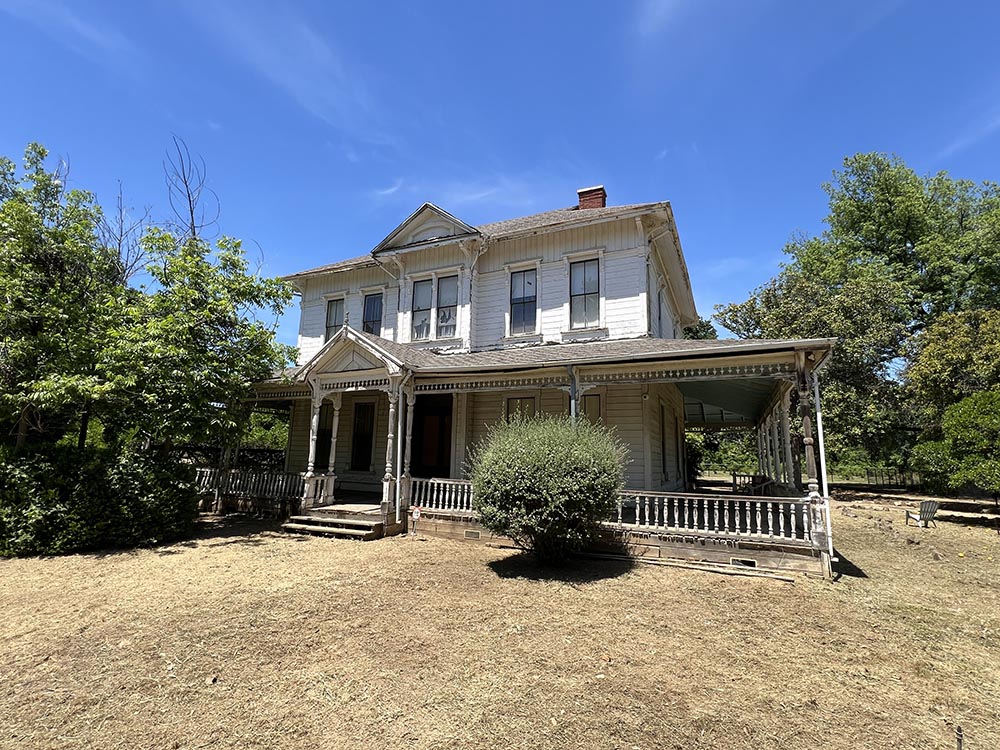
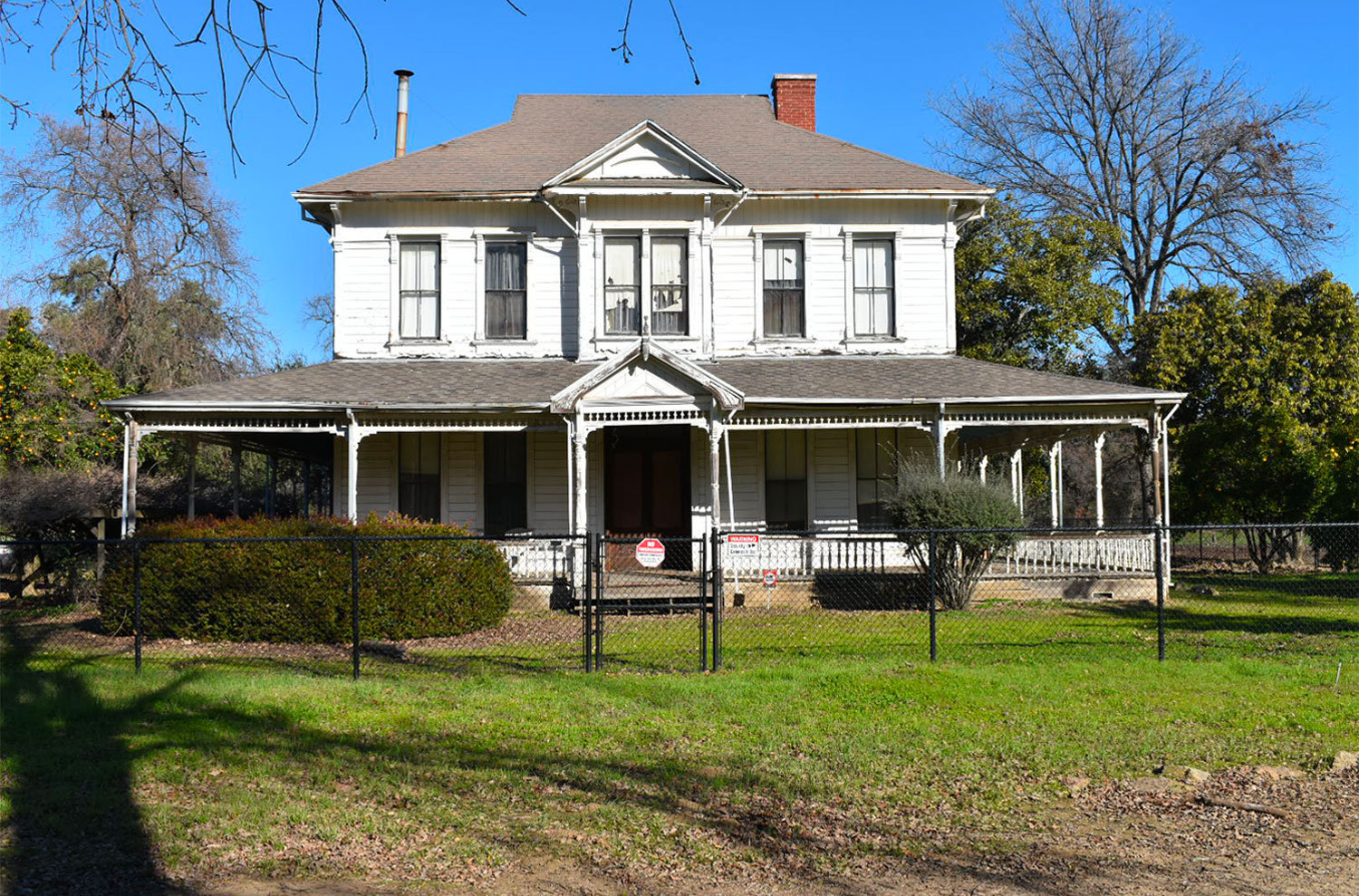
Mathus and his son Joeseph Wolfskill begin constructing what was to become the grandest Mansion in all of Suisun Valley, in approximately 1882. By 1885, the Victorian Era Mansion is complete, and it is considered one of the most noteworthy homes in the entire Solano County region. After Joeseph’s father Mathus passed in 1891, Joeseph and his wife Mary raised three children in the home. They were named Mathus (named after Joeseph’s father), Jerena, and Clarence. Jerena, who was born in 1893, lived in the home her entire life. She married Ernest Cicero Armstrong (which is why some people call it the Armstrong House), in 1920. Jerena passed away in 1997 at the ripe old age of 104. Most of her personal effects were still in the house, just as she left them the day she died, when we purchased the home, 27 years after her death.
Mid-20th century
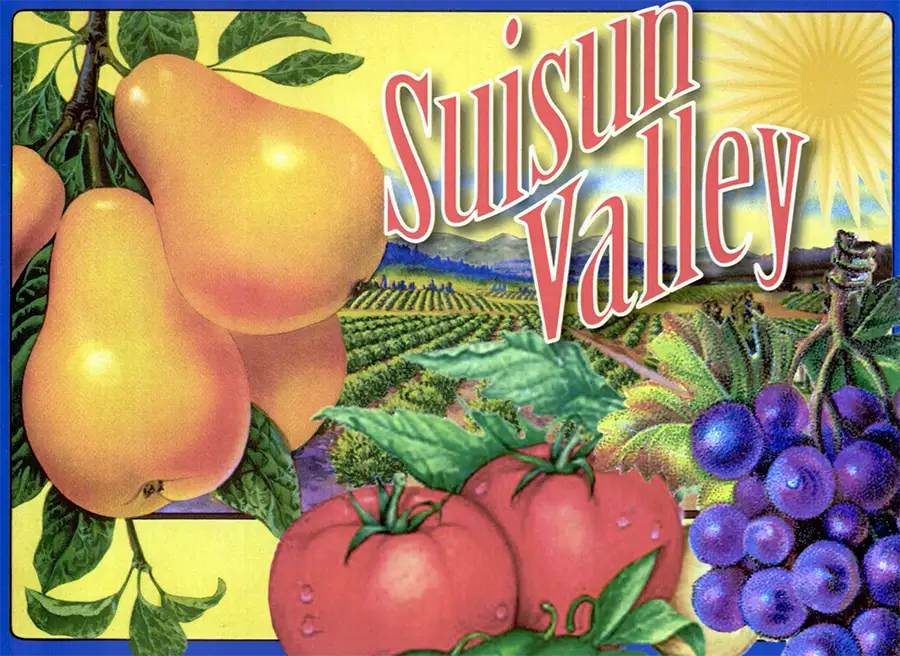
Post-war expansion saw a boom in fruit and vegetable farming, establishing the valley as a key player in California's agricultural sector.
1960s-1970s
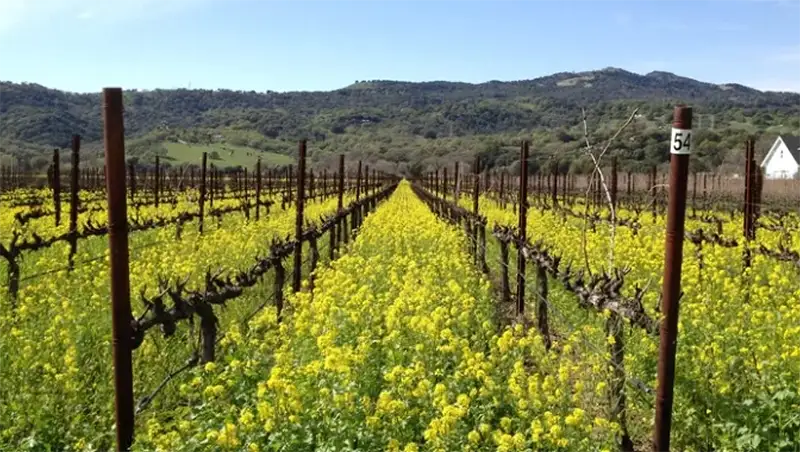
Vineyards begin to expand in Suisun Valley, slowly pushing out row crops, plums, pears, and other stone fruits as wine grape quality is recognized for its quality.
1982
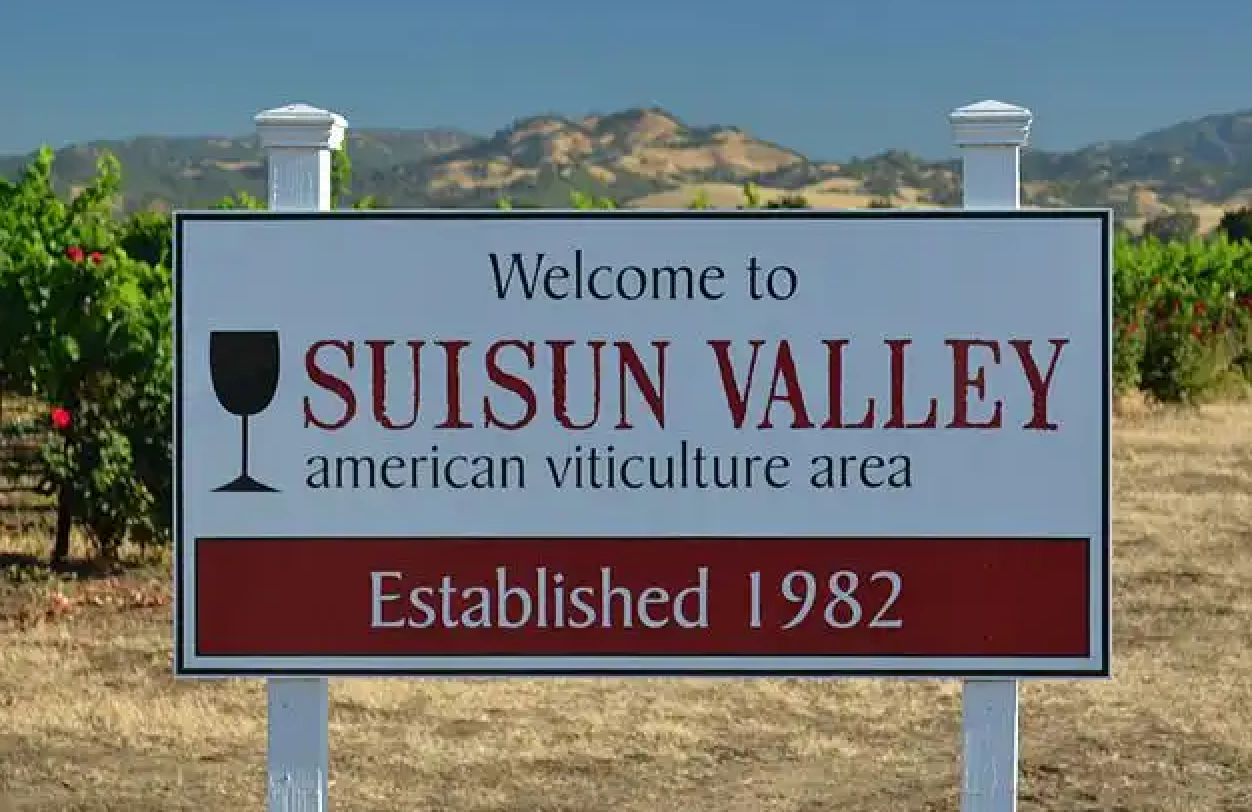
Recognition of the area’s unique terroir led to the designation of Suisun Valley as an American Viticultural Area (AVA), officially putting it on the map for wine production. Thank you to the late Chick Lanza for leading this effort!
1997
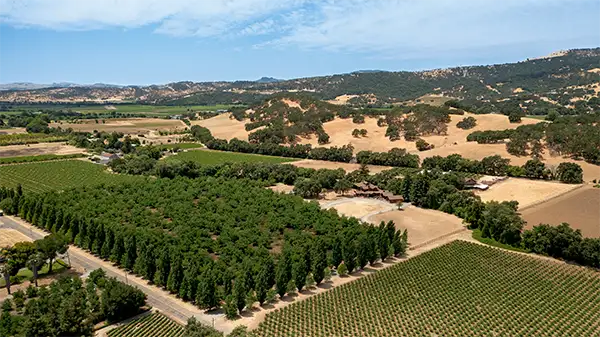
Mark Hall buys the Dove Nest Ranch on Gordon Valley Road, formerly a portion of the Joeseph C Wolfskill Ranch Holdings.
2000s
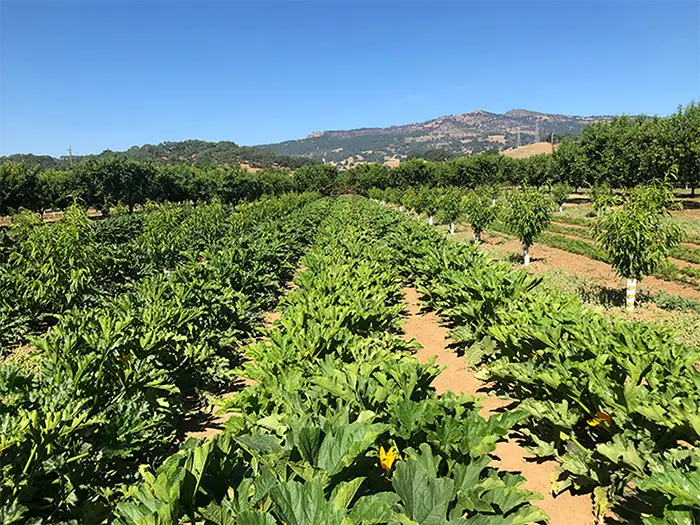
A revival in viticulture and organic farming began, with a surge in family-owned vineyards and wineries dedicated to sustainable practices.
2019
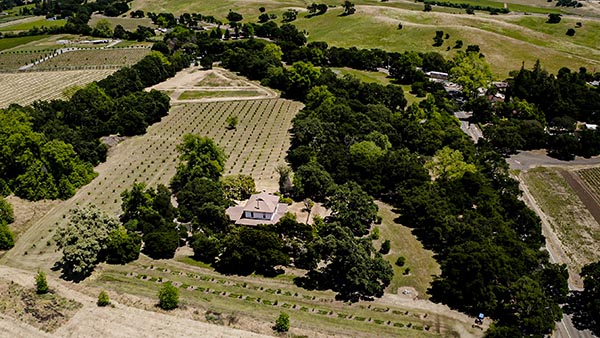
Chuck Wagner, owner of Caymus Vineyards, acquires the Manka's Meadow property from the Wolfskill Family heirs.

2020
During the COVID-19 pandemic, Suisun Valley’s agritourism demonstrated the resilience and adaptability of the local agriculture community for those seeking an outlet from being cooped up in lockdown.
2022
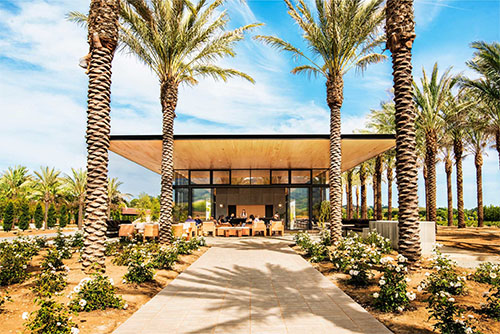
In spring 2022, Caymus Vineyards established the Caymus-Suisun Winery in the Suisun Valley, marking a significant shift as the region began to gain recognition for its wines, not just the quality of its grapes. Thank you Chuck, Jenny, and Charlie Wagner, for recognizing the potential in Suisun Valley as a premium wine producing area, and bringing your globally recognized premium brand to our corner of the wine world!

2023
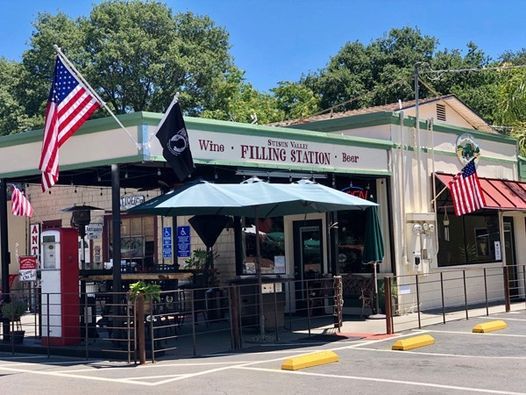
Mark and Tam purchase the Filling Station side of Manka's Corner from the Wolfskill Family heirs (thank you to Meredith Russel Carter and the late April Russel who are great, great, great, granddaughters of Mathus Wolfskill).
2024- Present Day
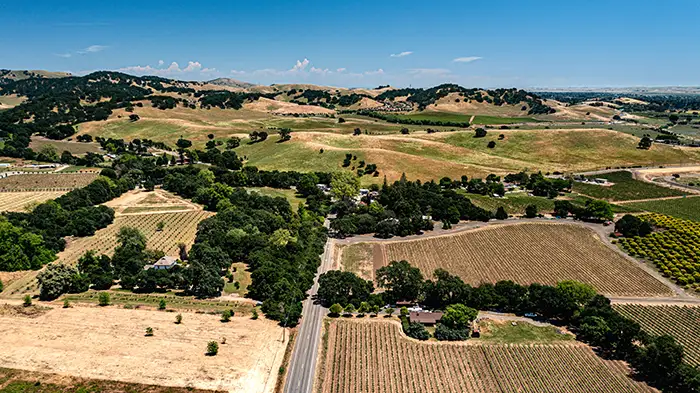
Chuck Wagner / Caymus Vineyards enters a contract to sell the Manka's Meadow property to Mark Hall and Tamara Gerlach in an off-market transaction. This transaction was finalized and the title was transferred in September. Thank you, Chuck! This now brings Mark and Tam’s holding to 16 acres surrounding Manka's Corner. Today, Suisun Valley is celebrated as a charming wine destination, where visitors can enjoy the legacy of both its natural and cultivated landscapes, savoring locally produced wines and fresh produce in a picturesque setting.